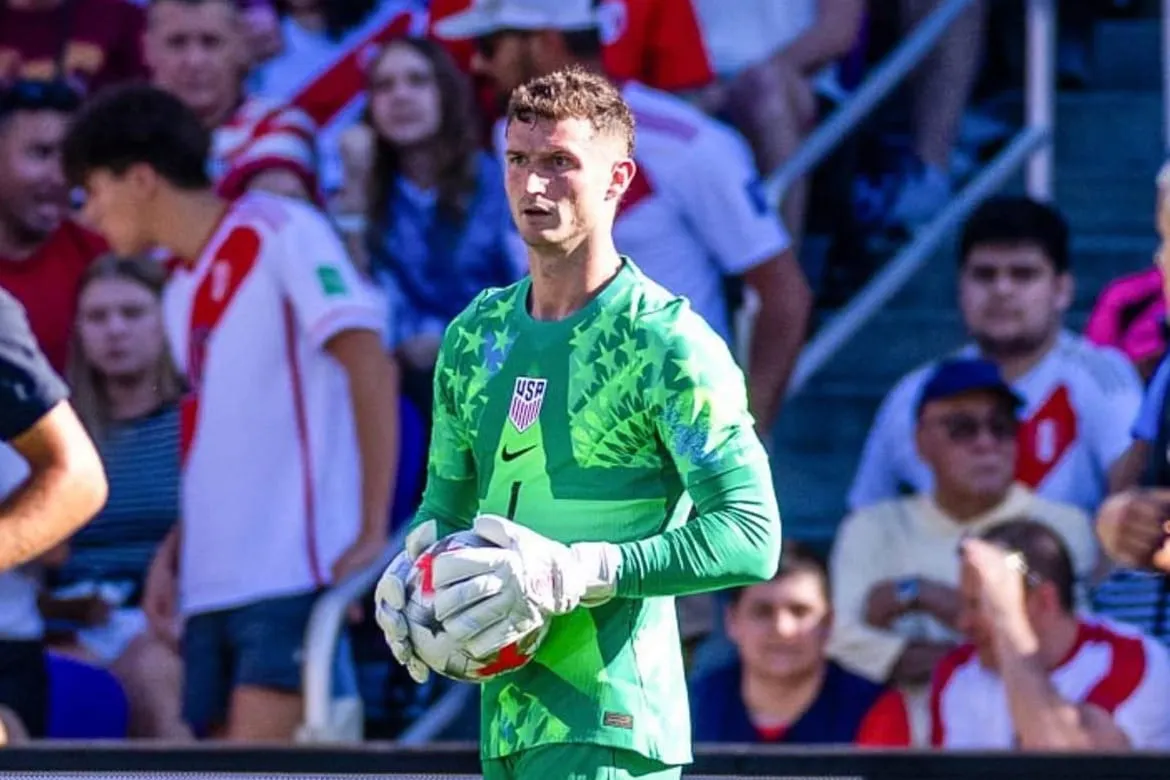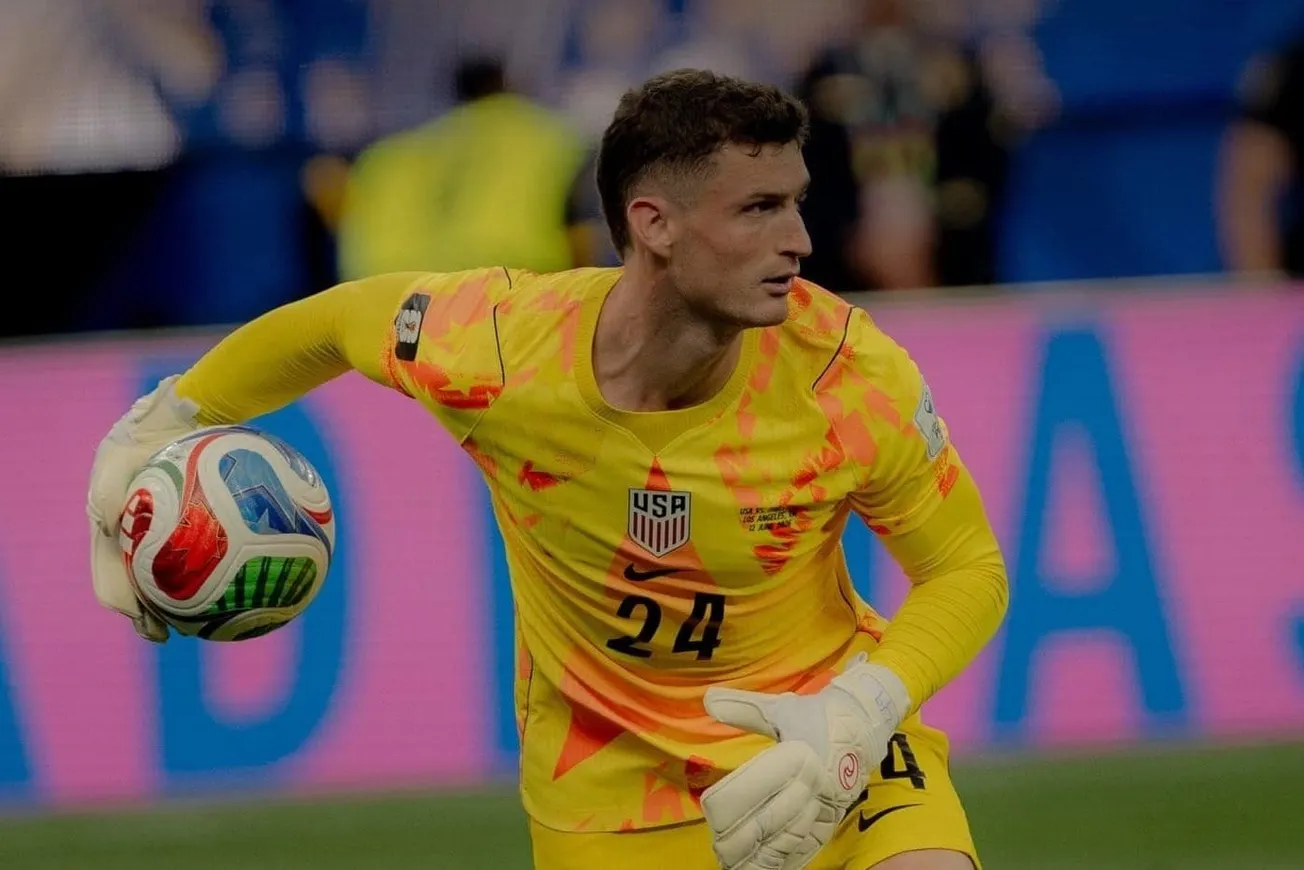

A disastrous performance from the United States men's national team that included a costly error by goalkeeper Matt Freese ended the 2026 World Cup for the co-hosts.
Belgium won 4-1 in Seattle, Washington behind a first-half brace from Charles De Ketelaere, but the Freese mistake, leading directly to a Hans Vanaken goal into an empty net to make it 3-1 Belgium in the 57th minute, severely dented the USMNT's chances of a second-half comeback.
Romelu Lukaku added a fourth in second-half stoppage time to give Belgium the proverbial dagger goal on a day they spent protesting a FIFA disciplinary committee's decision to allow Folarin Balogun to play for the USMNT in this Round of 16 clash.
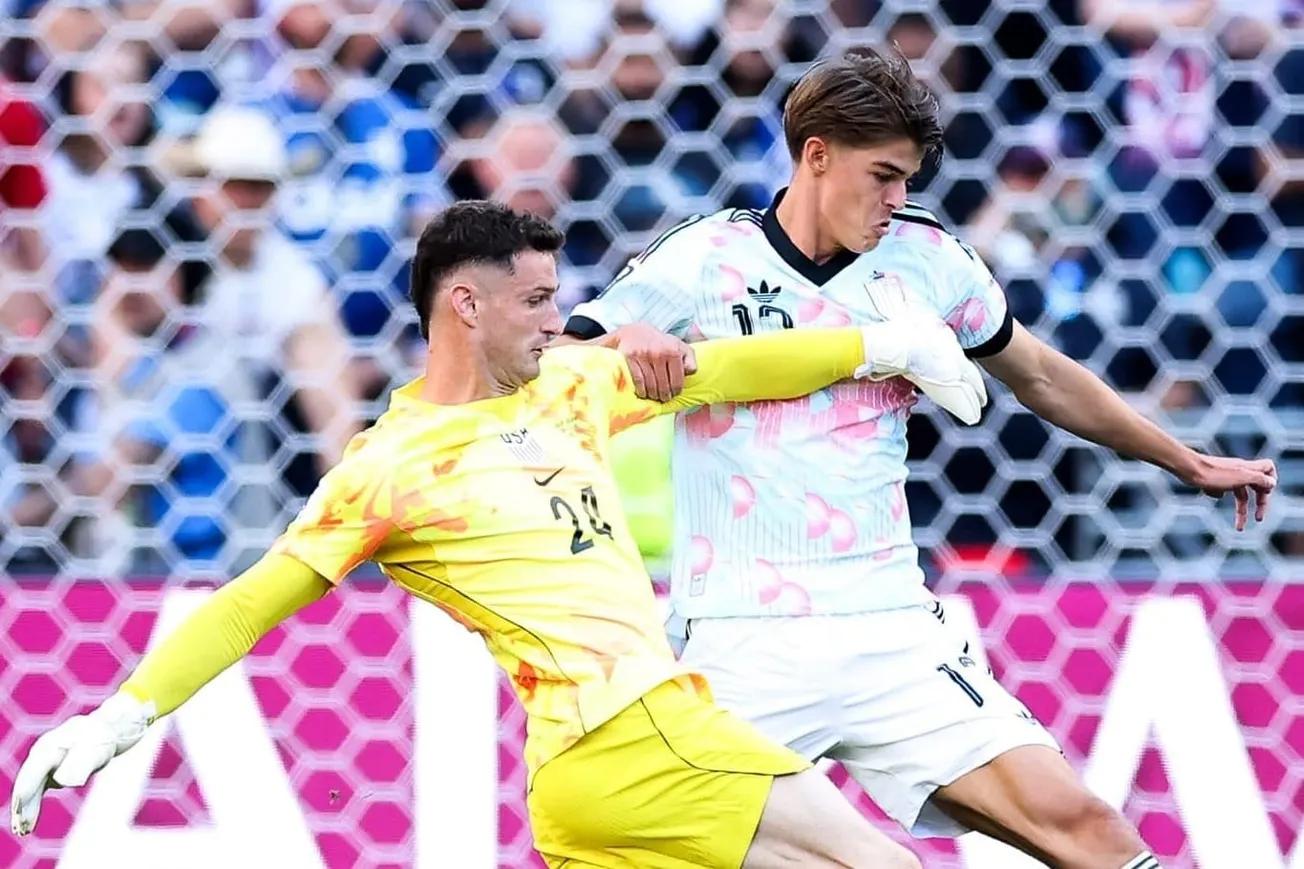
After all the pre-match intrigue, Balogun started and played into the 90th minute but was a complete non-factor up front for the United States. All three of the players accounting for the deepest part of the team's defensive spine — Freese in goal, plus center-backs Tim Ream and Chris Richards — also struggled and had notable lowlights leading straight to goals for Belgium. Ream lost or got overpowered by De Ketelaere on each of his goals, Freese's kick of the grass instead of the ball gifted the third, and Richards carelessly giving the ball straight to Lukaku set up the fourth.
Save for maybe Malik Tillman, who scored from a direct free kick in a second straight match, no American played particularly well in the Belgium loss. The lopsided defeat makes it hard to view the now-completed World Cup run for the USMNT in too positive of a light. The baseline level of expectation was met as one of the co-hosts, another trip to the World Cup's Round of 16, as far the United States has reached in its last four World Cup appearances dating back to 2010.
There was a lot to digest from the loss, and there's even more to digest about the state of the United States men's national team and their progress, or lack thereof, with this current core group of players as another World Cup comes to an end.
Worst mistake at the worst time
On a night full of errors and sloppiness from the United States, Freese's mistake was the worst of the bunch. It came at the worst possible time, with the United States trailing 2-1, not long into the second half while hope remained intact, but at a point where there was zero margin for error, if there ever is much margin for error in a knockout World Cup match.
Another look at Belgium's third goal pic.twitter.com/71ldzuhbAk
— FOX Sports (@FOXSports) July 7, 2026
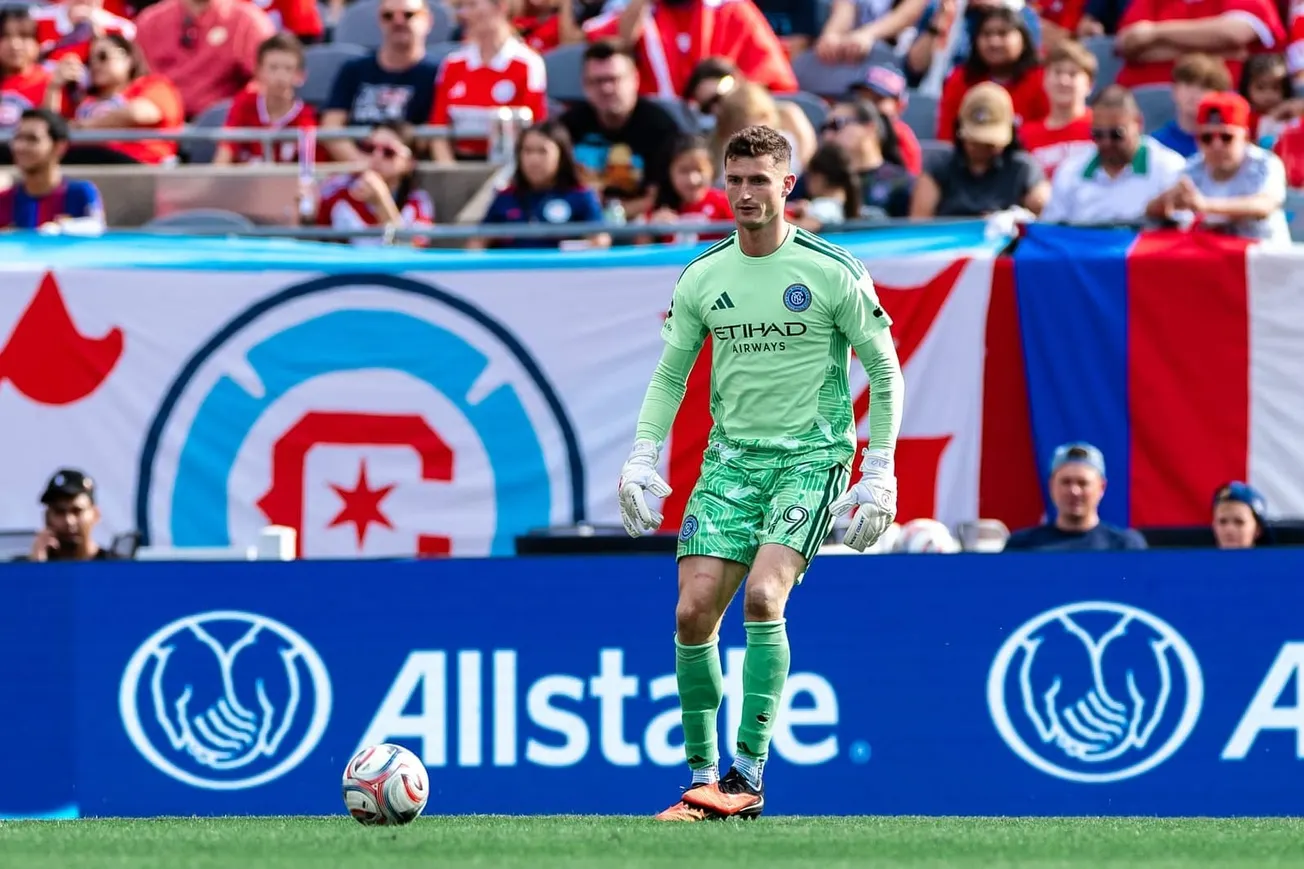
So much goes wrong for Freese on this Vanaken goal. He's so far out of his defensive area, attempting to be a sweeper keeper when that's not usually one of his natural strengths with the national team or at club level with New York City FC. His play with his feet is usually solid but he's also not usually in the situation he put himself in, acres off his line. He's under pressure but his attempt to play a pass out of the one-player pressure he's under goes horribly awry when he misses the ball, stumbles through a kick into the ground, then surrenders possession for a clean look at an empty net for Vanaken.
Then Freese failed with an attempt at a goal-preventing illegal punch of the shot while still way outside his penalty area, which if he'd connected would have gotten him sent off. His last defender in front of goal, Tim Ream, manages a touch, but instead of that touch diverting the shot wide, Ream's glance only helps the ball into the far-corner of Freese's vacated goal.
Fair or not, this his worst moment of the tournament will likely define Freese's time at this World Cup. He made a great diving save in the opening minutes to briefly delay Belgium from getting their opening goal, but that would be his peak on the night.
The goalkeeper position was considered unsettled heading into the World Cup, but Freese was Pochettino's clear choice to be the starter, serving as the USMNT's de facto No 1 goalkeeper since the 2025 Concacaf Gold Cup, even if he was never outright named the starter. Questions and doubts about Freese still persisted in the build-up to the World Cup and during the tournament, even as Freese kept a few clean sheets while not being heavily called upon in goal. He met the expectations of knockout World Cup soccer a round ago when he and the US defense shutout Bosnia and Herzegovina, but that won't be remembered in light of how badly things went against Belgium.
This mistake and defeat will be used as a big told-you-so moment for those that loudly called for Matt Turner to start over Freese and want to score some easy points, even though Freese held his own each step of the way at the World Cup leading up to that ill-fated moment in the 57th minute.
Progress or not?
The United States won a knockout game this time around and got some big, confidence-boosting wins during the group stage, but the end of this World Cup doesn't feel too different from the end of the last one in 2022, when the Netherlands got a slightly close but ultimately comfortable 3-1 win to eliminate the USMNT in the tournament's Round of 16.
The talent available to the United States at some spots on the roster in 2026, like at striker and in the midfield in the forms of Folarin Balogun and Malik Tillman, respectively, was improved, but it's hard to see much progress from this core generation of players like Christian Pulisic, Weston McKennie, Tyler Adams, and a few of the other 2022 holdovers still starting against Belgium.
Pulisic injured himself and limped off early in the loss, replaced in the 59th minute shortly after the Belgians made it a two-goal lead after doing very little to impact the proceedings during either knockout match played by the USMNT following the injury he suffered in the first half of the first World Cup match against Paraguay. He battles injury often and has been enduring a 2026 to forget, first with his club in Italy and now to close out this World Cup, so it's fair to wonder what his contribution might look like for the USMNT in the years immediately following this tournament.
Bringing in Mauricio Pochettino as a highly-paid, well-pedigreed coach meant he was here to get the most out of a talented, previously underperforming squad, Pulisic included, that got to play the World Cup exclusively on its home soil. That hire paid off in some instances, like the 4-1 win over Paraguay to open the tournament, which featured some of the best soccer the United States men's team has ever played at a World Cup, though maybe not in others, as Pulisic never really shone under Pochettino.
That Paraguay match, though, was a performance that showed what was possible if everything clicked for the United States under Pochettino. They wouldn't hit that high again, though they won in different ways that were impressive in their own rights, seeing out a comfortable, generally drama-free win over a toothless Australia attack, then suffering through a win over Bosnia and Herzegovina that featured complications like the Balogun red and a general attempt to make a mess of the match by the USMNT's opponent.
Nothing worked against Belgium and everything that could go wrong seemed to go wrong. Pochettino got let down by what he considered his best 11 players against Belgium, but having him in the role only incrementally seems to have improved the national team pool and the national team's prospects.
Some of his selection choices, like breaking in and sticking with Alex Freeman in defense, and trusting Malik Tillman to play as a No 8 centrally in the midfield, paid off this summer. He seemed to be a net benefit to the national team behind the scenes, creating what looked from the outside to be a cohesive, strong culture inside the team.
All that said, Pochettino, who after this summer has won the most World Cup matches of any USMNT coach, might not coach again for the United States. The Argentine was rumored to be approached by club teams who wanted him to take over right around the start of this World Cup, though with the United States Soccer Federation also reportedly opening negotiations to try to re-sign him to a new contract.
With a new cycle that will include actual Concacaf qualification required to reach the 2030 World Cup in Morocco, Portugal, and Spain, the next competitive version of the United States men's national team we see later this year or early next year, could look plenty different from the squad that struggled throughout another Round of 16 exit at a World Cup.
The start to the tournament had people thinking the USMNT might have turned a corner and might have found new heights to reach with Pochettino and this year's squad, but all the talk of trying to "touch the moon" crashed down to Earth hard against Belgium.