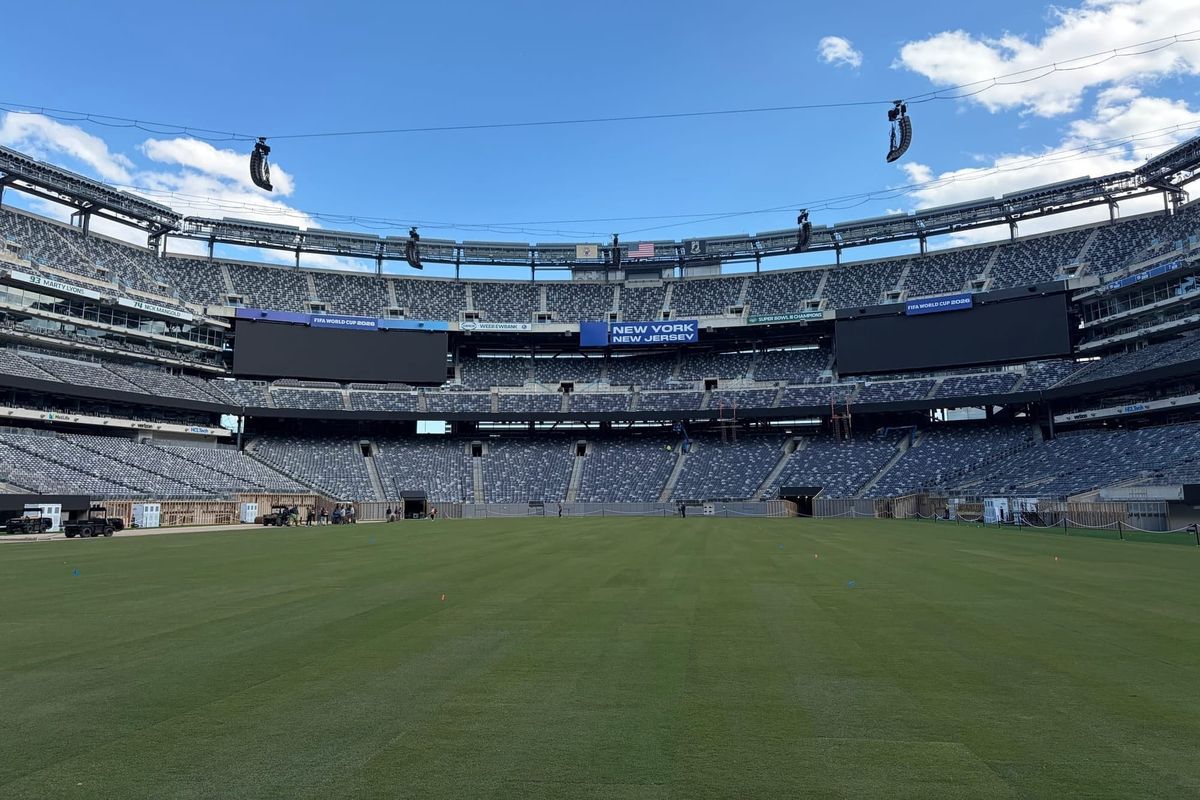

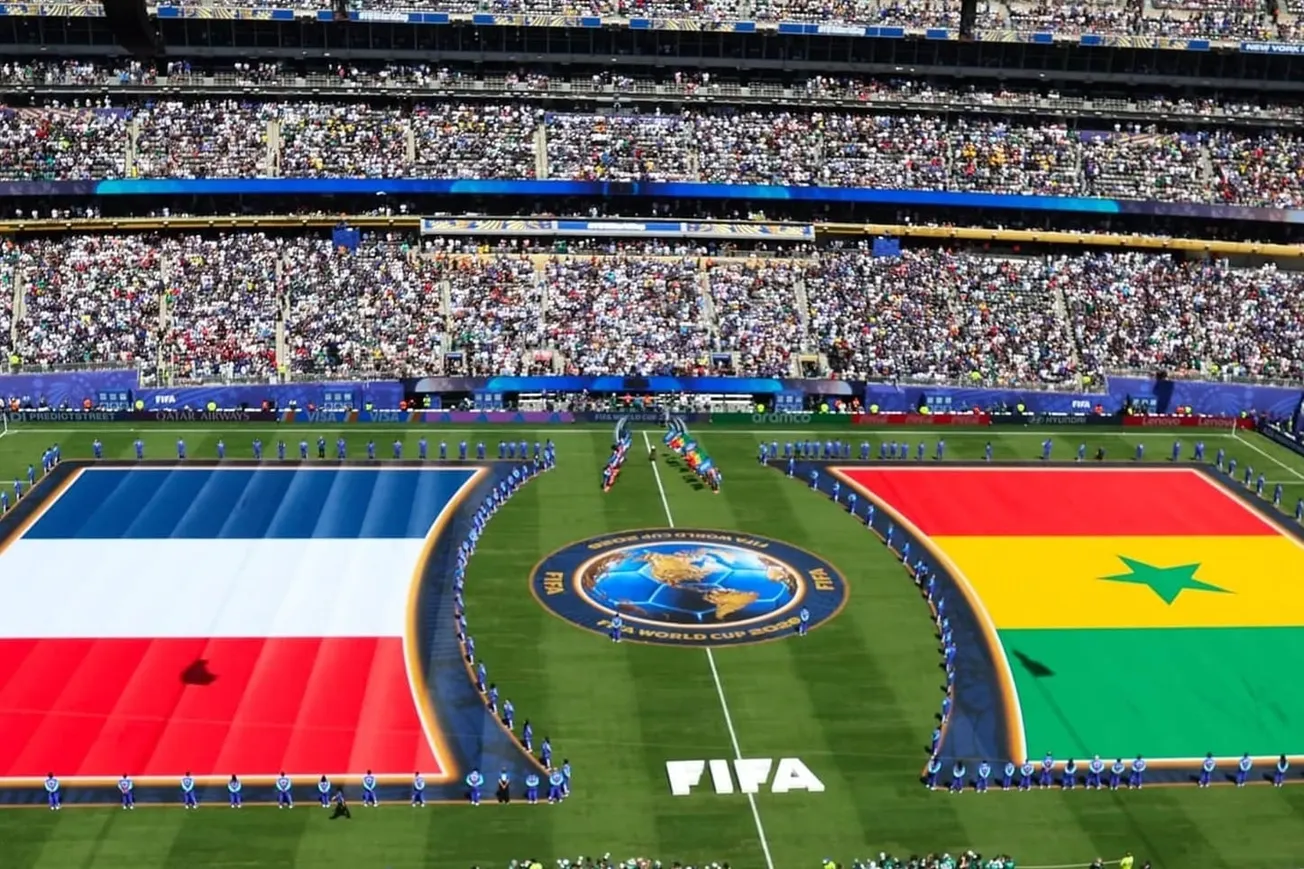
Concerns continued to be raised about one of the World Cup's primary playing surfaces following Tuesday's match in East Rutherford, New Jersey between France and Senegal.
NY/NJ (nee MetLife) Stadium is now through two of its eight matches this World Cup, but many commented on the state of the field prior to and during France's 3-1 win over Senegal.
Deschamps tiptoes, Rabiot doesn't
France started slow but a strong second half allowed the defending World Cup finalists to beat Senegal. Overall, though, the French struggled to maintain longer spells of possession early, with errant passes and miscommunications between players gifting Senegal chances, and they nearly scored on multiple occasions.
During the game, especially during France's lulls, many commented on the patchy and dry looking state of the grass. On BBC commentary, Guy Mowbray and former England national team striker Alan Shearer made comparisons between Saturday's New Jersey opener featuring Brazil and Morocco, and Tuesday.
“We were lucky enough to be here Saturday and it looked really, really good," Shearer said. “But there are a few ugly patches here and there.”
Following the match, members of the victorious France squad were asked about the field. France manager Didier Deschamps was asked by NY Soccer Journal about the pitch towards the end of his press conference, which he tried to walk around.
"Good question, but I don't know if I'm going to answer it," Deschamps said with a laugh. "Let's just say its special. It's different. So you have to get used to it. I think the fact that there's probably a concrete slab underneath means that its grass with very, very, very short fibers. So there you have it."
However, the coach went on to note how some of his players already had experience playing at MetLife previously, adapting to the different bounce the ball could take depending on the field being well-watered or dried out.
For example Kylian Mbappé, who scored a brace against Senegal on Tuesday, played two knockout matches with Real Madrid in East Rutherford during the 2025 Club World Cup
"There isn't a good layer of soil underneath, it's more or less flexible. The only thing that matters is the players. [None of our players] played with screwed in studs," Deschamps continued. "Since we don't train on them, I warned (the players) because, (thankfully we saw a video), but when they see it, yes, it's different from what they're used to."
This post is free to all readers. Consider becoming a paid subscriber to support our continued coverage.
Elsewhere in the postgame, France midfielder Adrien Rabiot was far more openly harsh about the pitch.
"The pitch...I don't even know if you can call it that. It felt more like an artificial surface – quite hard and quite rigid," Rabiot told media after the game.
His words echo complaints made by Brazil's Vinícius Júnior following Saturday's 1-1 draw against Morocco. He made mention of how the field dried out in the early-summer heat, affecting how the second half played out. It was noticeable how, after a first half with two goals, neither Brazil nor Morocco looked as creative or quick in the final 45 minutes.
"In the second half, with the heat, the pitch dries out very quickly. The game becomes very sluggish and we can't get into our rhythm," Vinicius said.
 Mark Radigan
Recurring pitch issues in East Rutherford
This is not the first time the field at MetLife has been criticized during soccer tournaments. In fact, the pitch is one of the most common talking points to emerge from the last few years of major tournaments and friendlies played at MetLife Stadium.
During the 2024 Copa America, fans and players complained about the playing surfaces being dry and uneven. MetLife, which hosted three games including the semifinal between Argentina and Canada, had multiple noticeable brown patches along the sidelines.
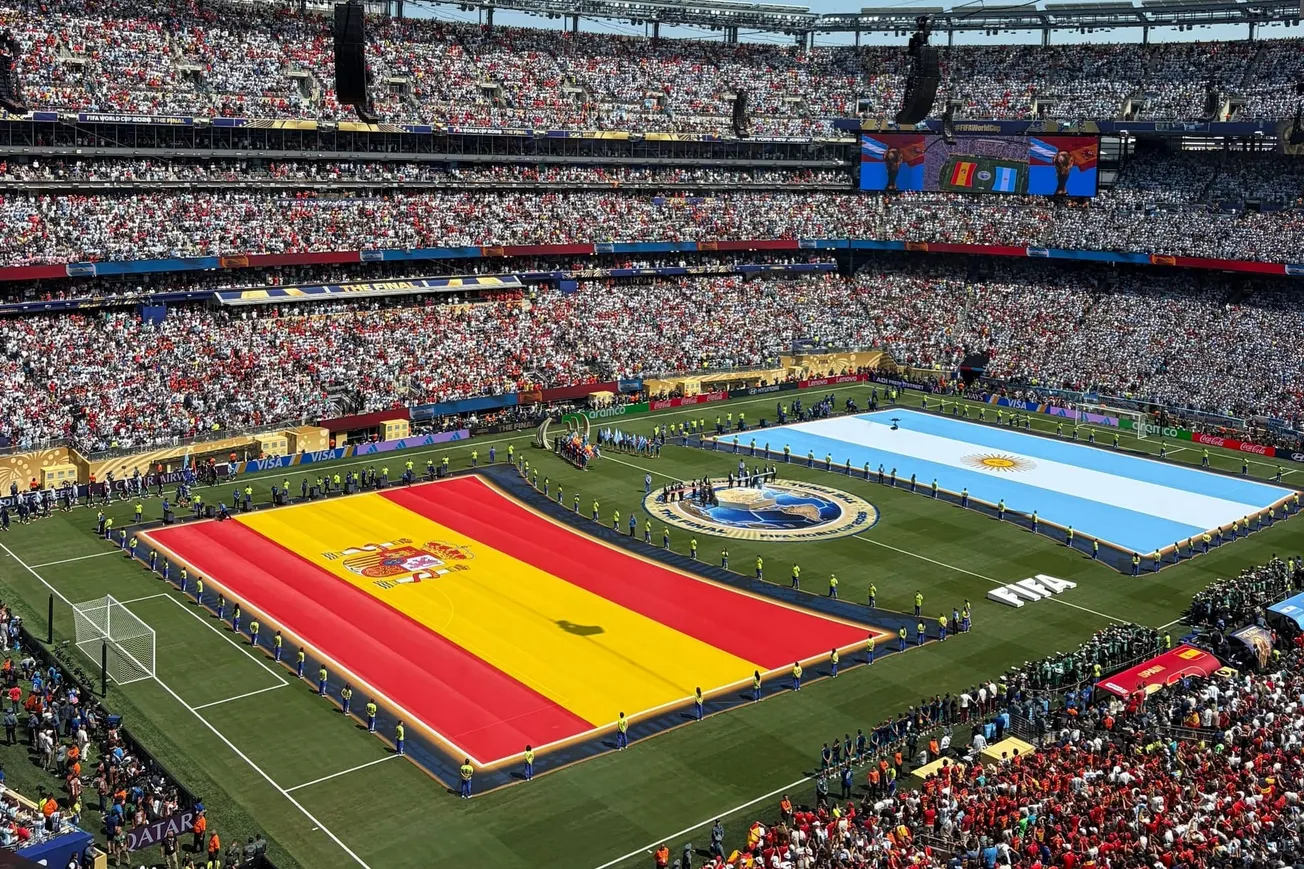
Last year during the 2025 Club World Cup, which practically served as a beta testing of venues and logistics ahead of this year's World Cup, the field once again became a talking point. MetLife hosted nine of the tournament's 63 games. That included the last four matches of the tournament, culminating with the final between Chelsea and Paris Saint-German.
The field was something players and coaches commented on throughout the tournament. Following his team's loss in the Quarterfinals to Real Madrid, Borussia Dortmund head coach Niko Kovač was asked (by this reporter) about how he viewed the playing surface.
"It's more a golf green, so you can putt here," Kovač joked after the loss. "It's very short. But this is not the grass we are used to playing on in the Bundesliga and also in the other two stadiums."
"As you saw, the watering wasn't good enough, I would say, because you don't have the devices for that." Kovač said. "When it's too dry, it's unbelievable. It's sticking."
 NY Soccer Journal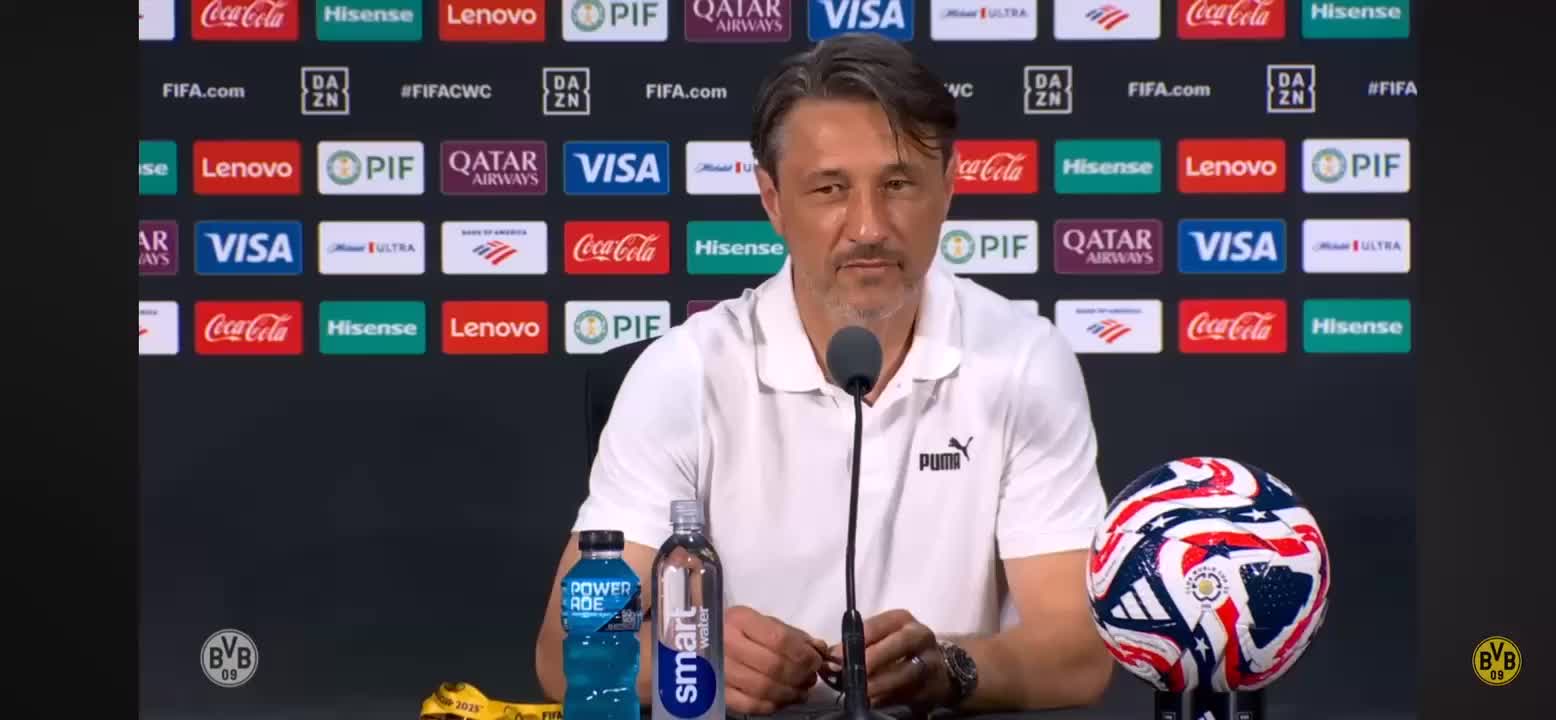
Fresh grass
It needs to be noted that this is not the same playing surface that is normally used at MetLife Stadium during NFL games.
The current grass has been installed specifically for the World Cup. Typically, the stadium uses artificial turf during American football games. Now, it's a temporary grass pitch laid on top to meet FIFA’s requirements for the tournament.
This is the same across all 11 stadiums in the United States during the World Cup this year. Seven of these, including MetLife, normally use synthetic turf and needed to be changed for this summer's matches.
These new pitches have been given extra care by FIFA and grounds crews prior to and during the tournament. Watering is a common sight during pregame and halftime, with the MetLife sprinklers going off while Senegal was still warming up on the field prior to Tuesday's match.
Its something the federation has put an emphasis on. FIFA's pitch manager for NY/NJ Stadium, Blair Christiansen, told media before the tournament kicked off that moisture readings were being taken every single day at the venues, and that his team is also measuring surface firmness and ball roll.
 Matthew Mangam