

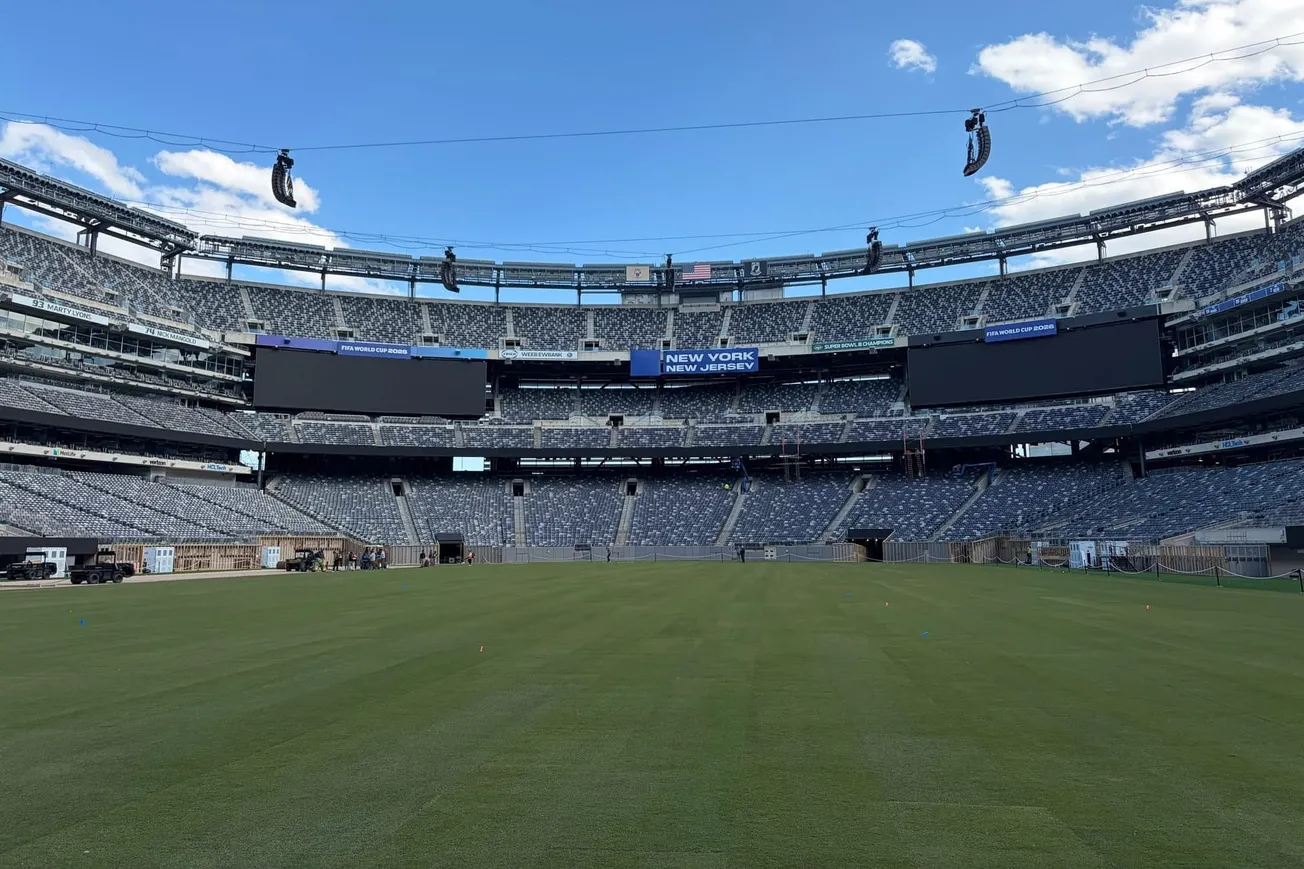
Grass pitch now installed at MetLife Stadium for the World Cup
Everything you need to know about the new grass playing surface at New Jersey's World Cup venue, and why it's expected to perform better than the grass used during last summer's Club World Cup.

Related
The Blueprint: Capturing World Cup momentum in America
The World Cup is over, so what happens to American soccer now? An attempt to figure out what the country's post-World Cup soccer landscape should look like, and if the moment can be properly capitalized on.
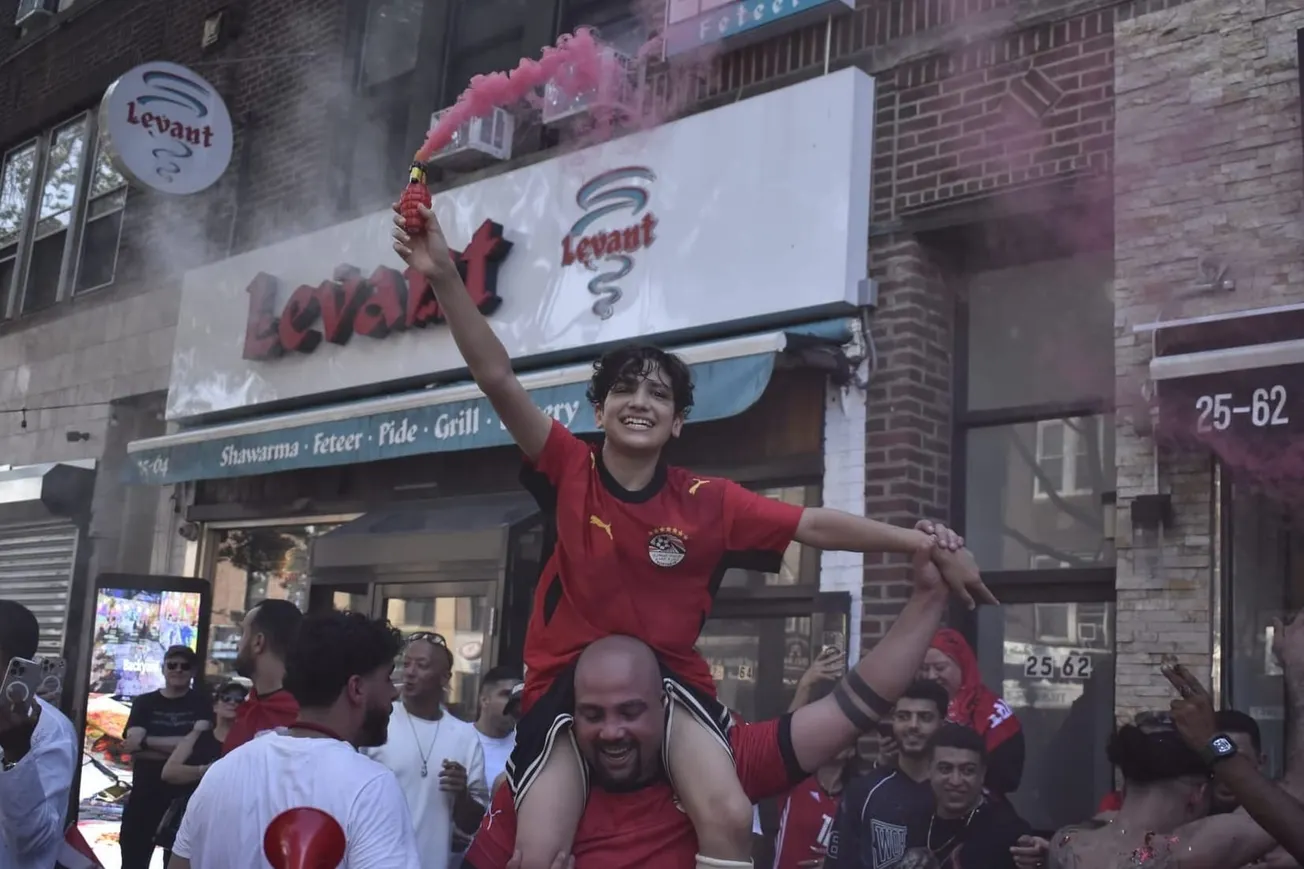
How New York City's diaspora communities watched the World Cup
Fireworks on Steinway Street, free tequila shots in Sunset Park, and police barricades in Harlem: What it was like at World Cup watch parties in some of the city's most passionate communities.
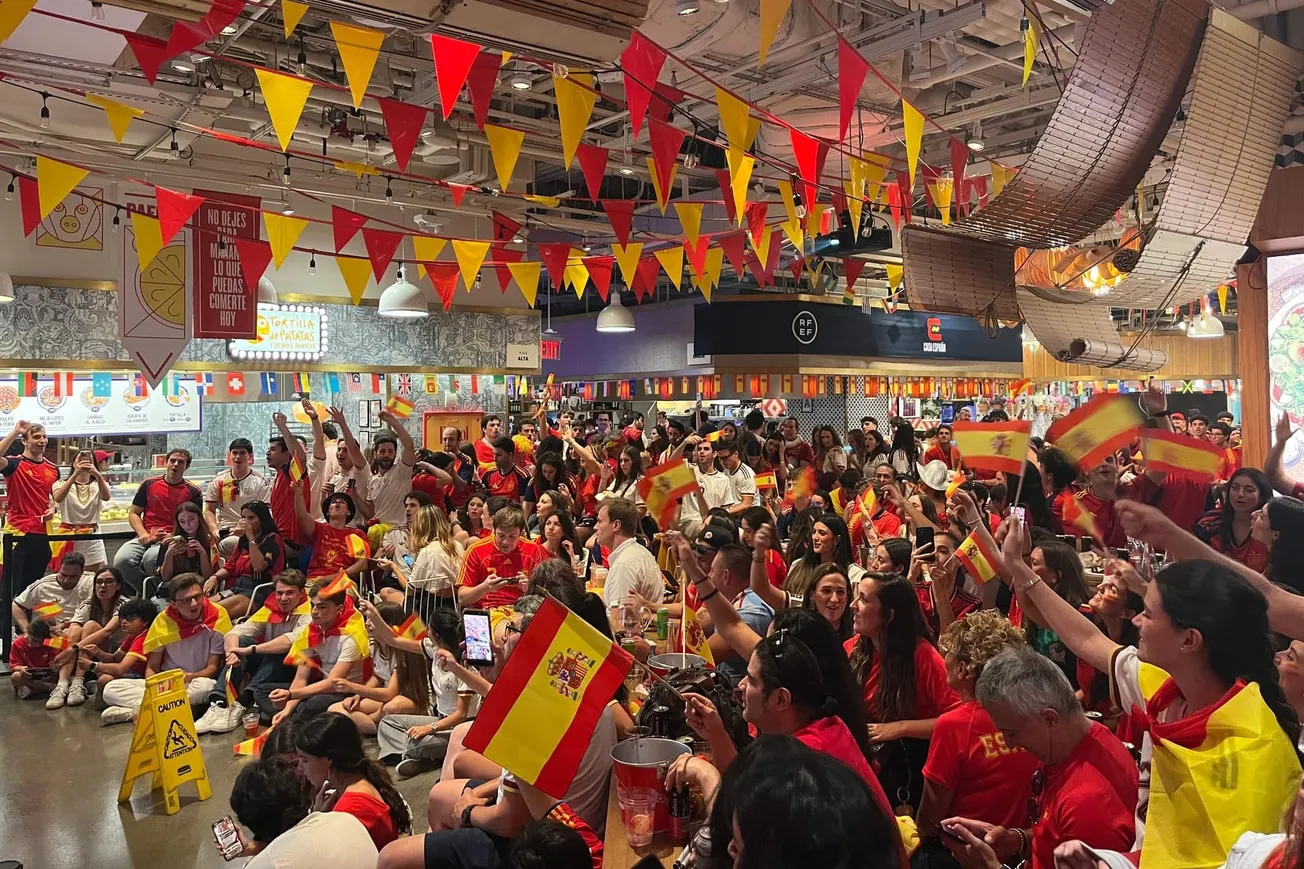
Watching Spain clinch the World Cup with the crowd at Mercado Little Spain
As Spain defeated Argentina, Spanish fans from all over the world gathered at one of New York City's most iconic Spanish food spots to watch and celebrate.
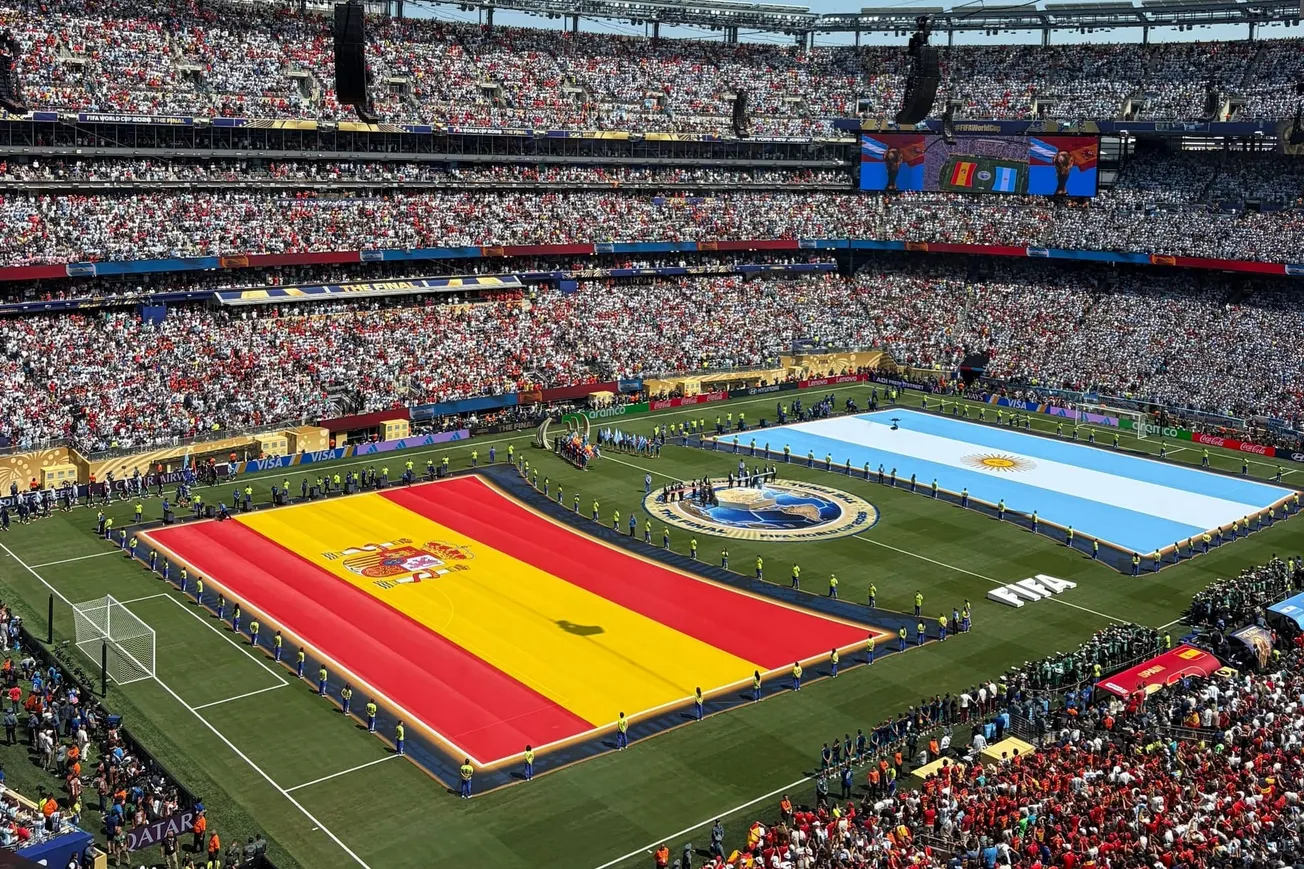
The last big World Cup show at NY/NJ Stadium
The World Cup final in East Rutherford, New Jersey became an elaborate spectacle, with a closing ceremony, a star-studded halftime show, and then another awkward trophy lift stage-crashed by US President Donald Trump.
Latest
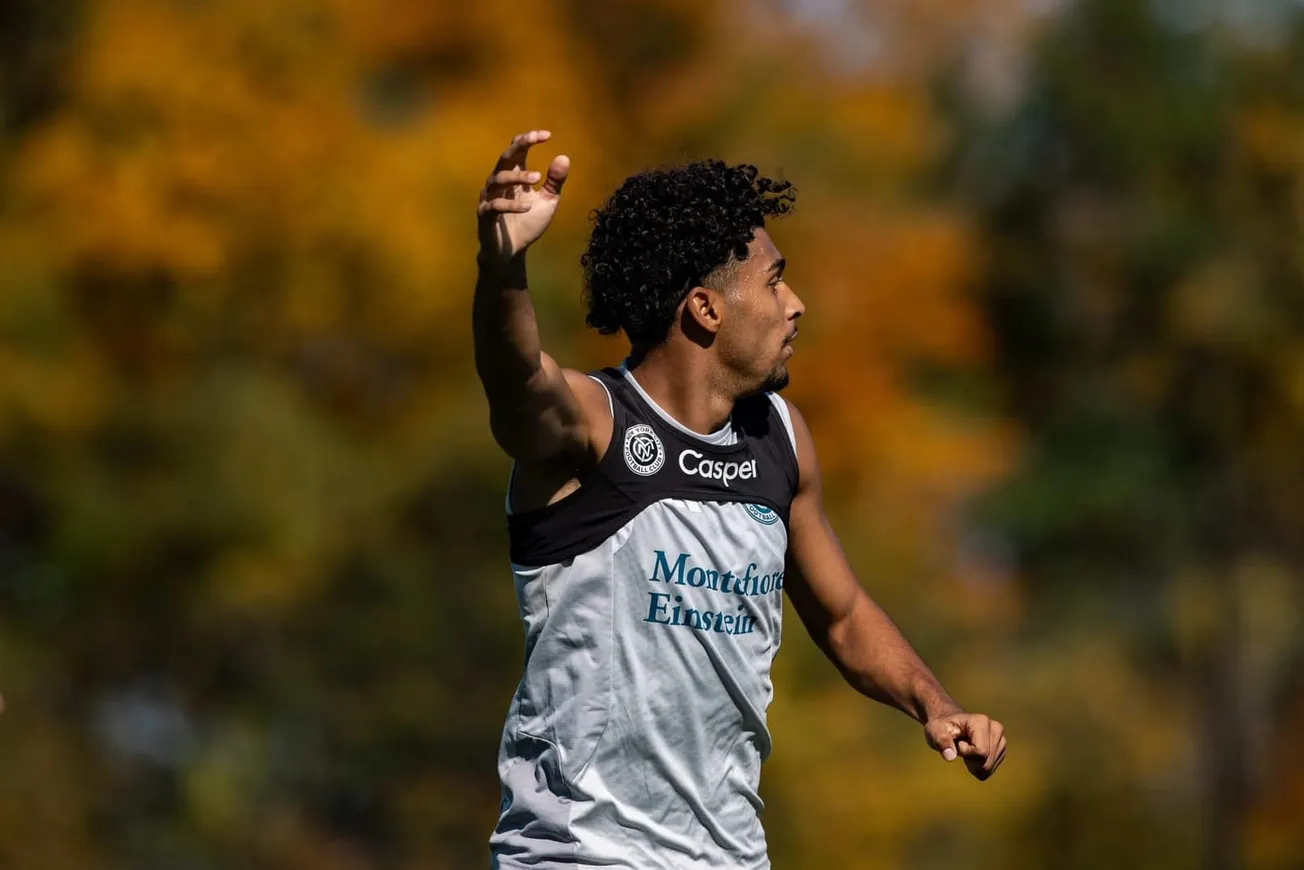
MLS 22 Under 22 and New York City FC's missing generation
For the first time since 2018, NYCFC has no one on MLS's annual 22 Under 22 list, with the club's academy products and young international signings not held in as high regard as they once were.
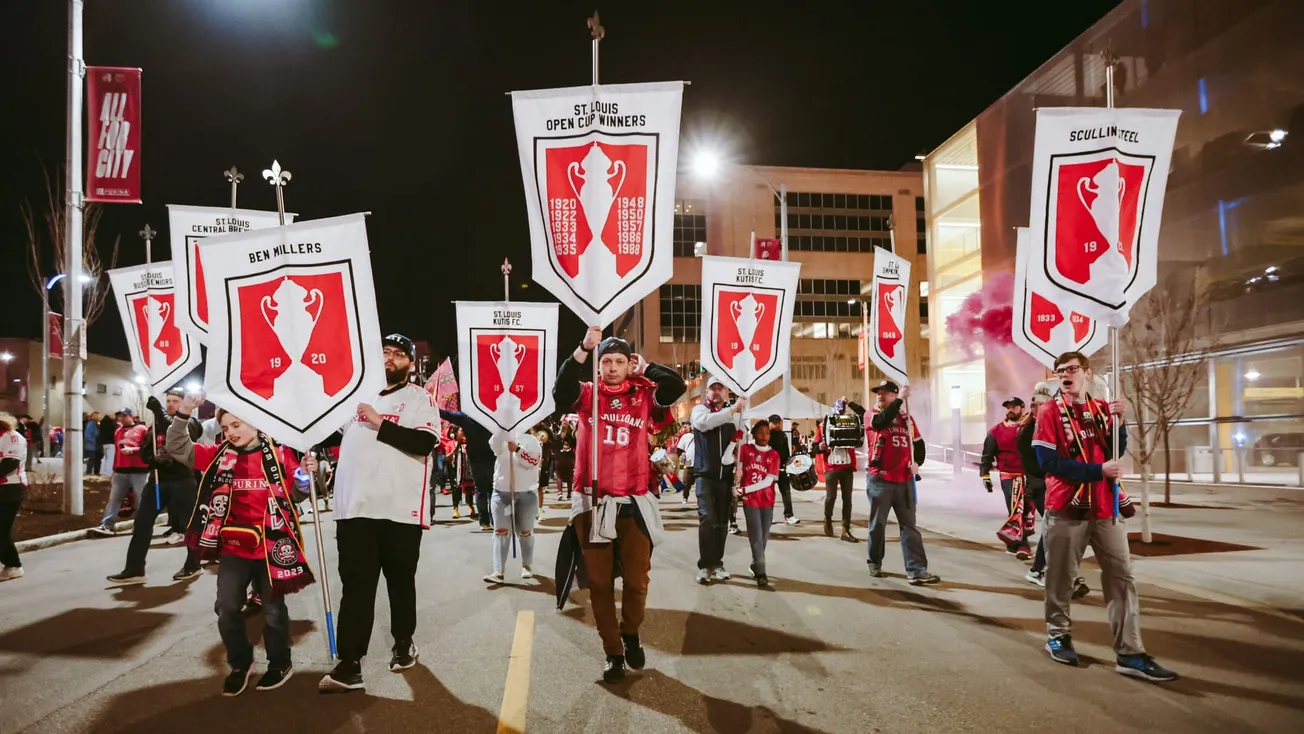
Columbus, St. Louis play for US Open Cup glory, local amateurs face next 2027 qualifying round
A 2026 US Open Cup champion is about to be crowned, while eight local amateur teams soon face the next round of qualifying as they seek a spot in the 2027 Open Cup field.

NYCFC's one-point week, Etihad Park sneak peek
The New York City FC season is spiraling after another loss and a not-good-enough draw, though an update on the progress made toward Etihad Park's construction might ease some of the pain.

Gotham FC NWSL Shield Scenarios: What it takes to finish first with two games to go
What each set of possible Gotham FC results from their final two regular season matches would do for their chances of clinching a first NWSL Shield in franchise history.