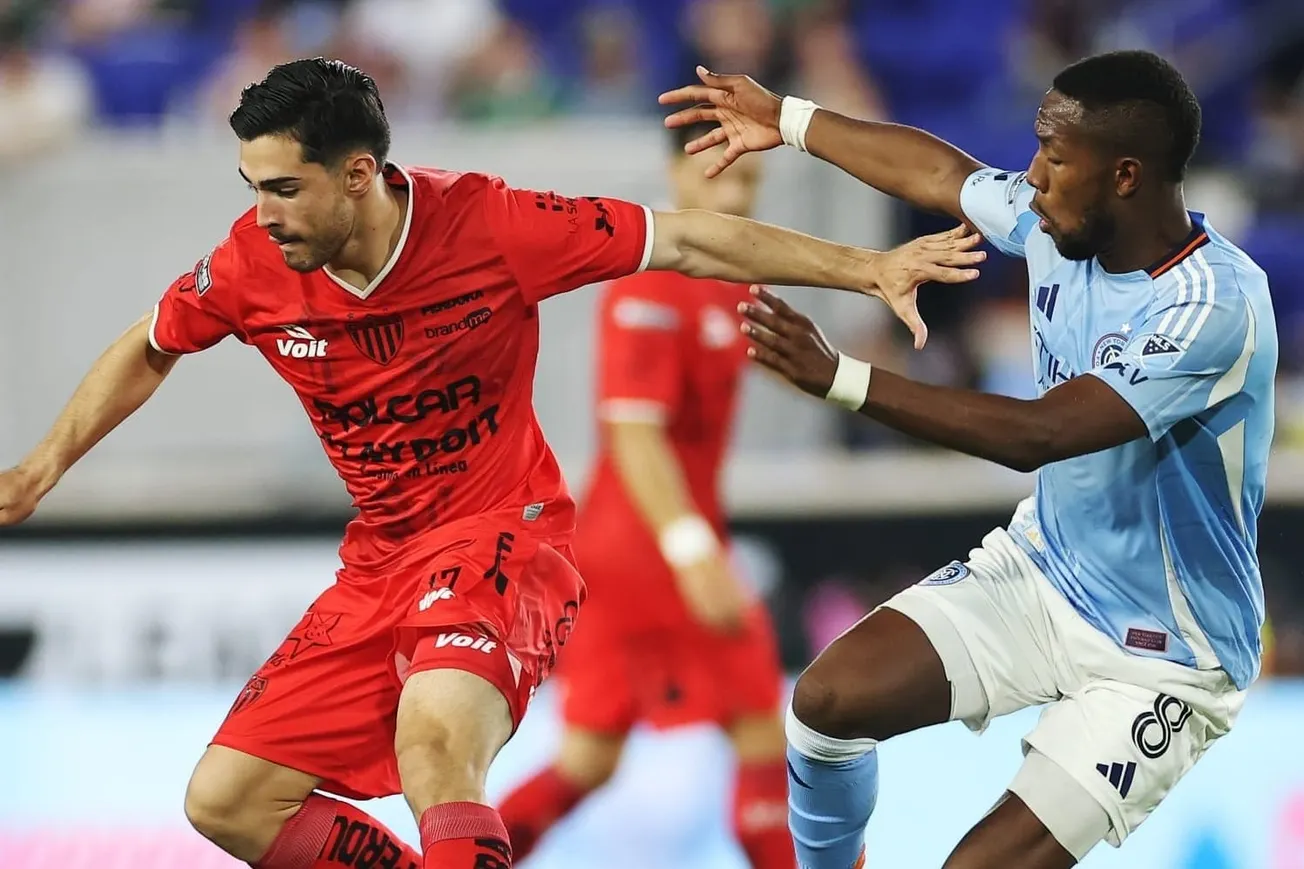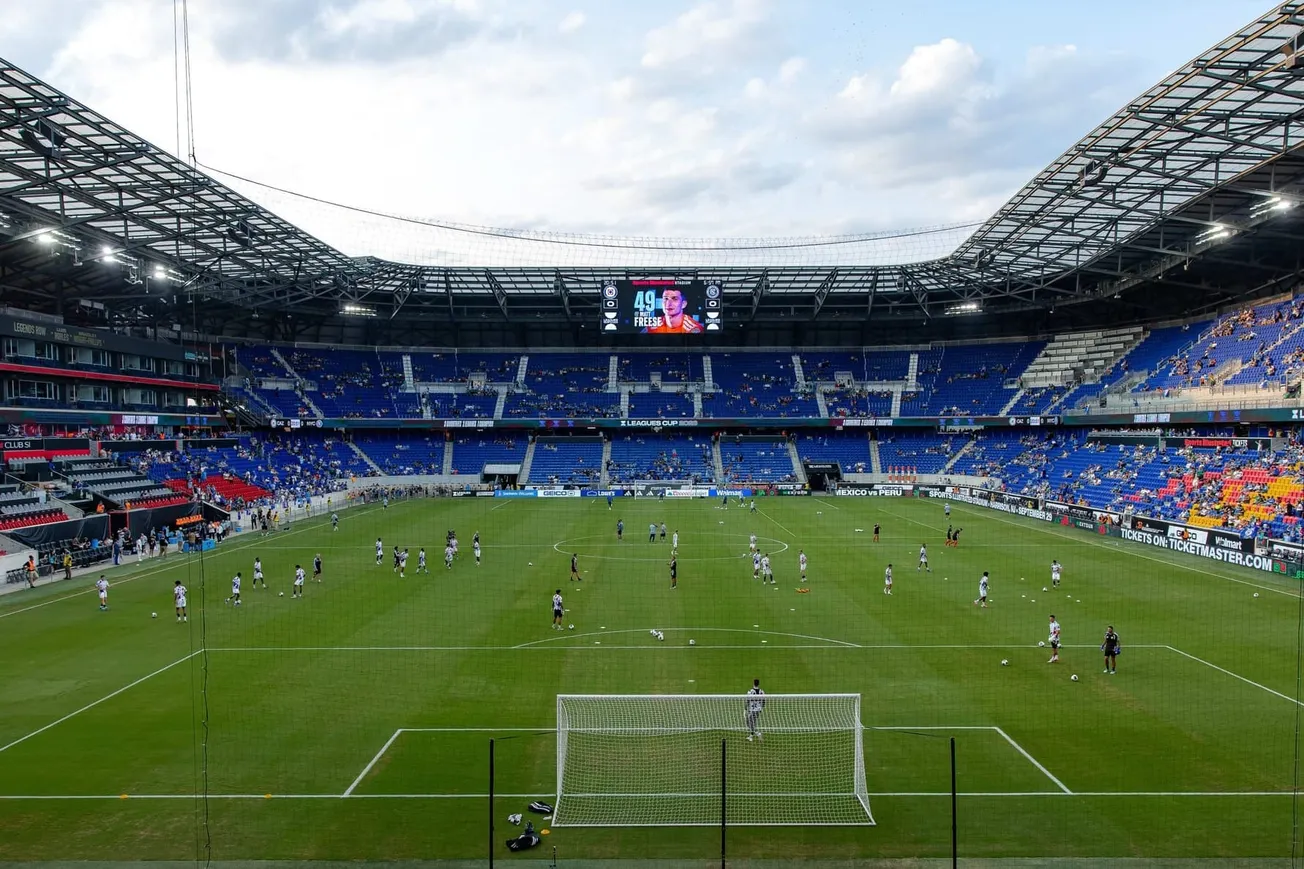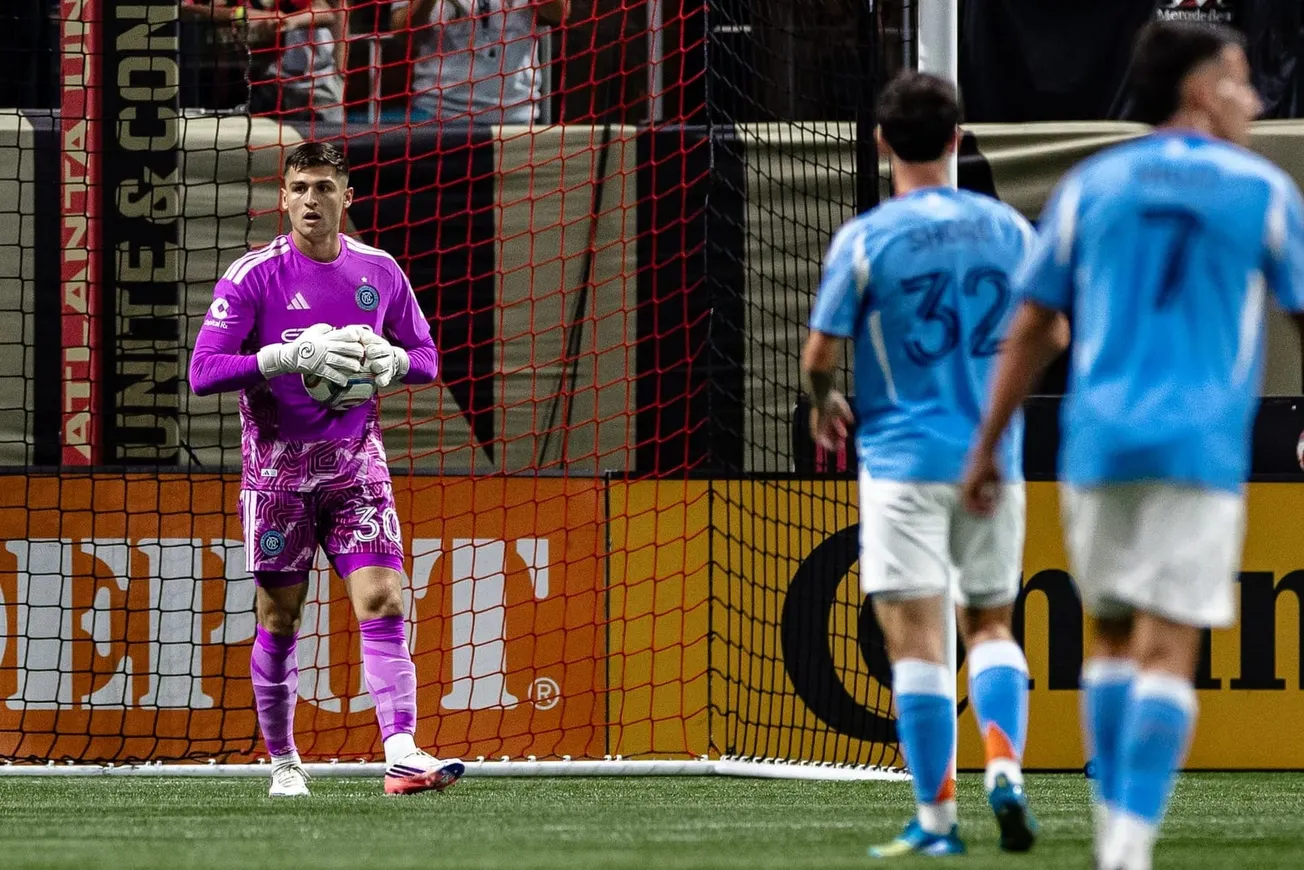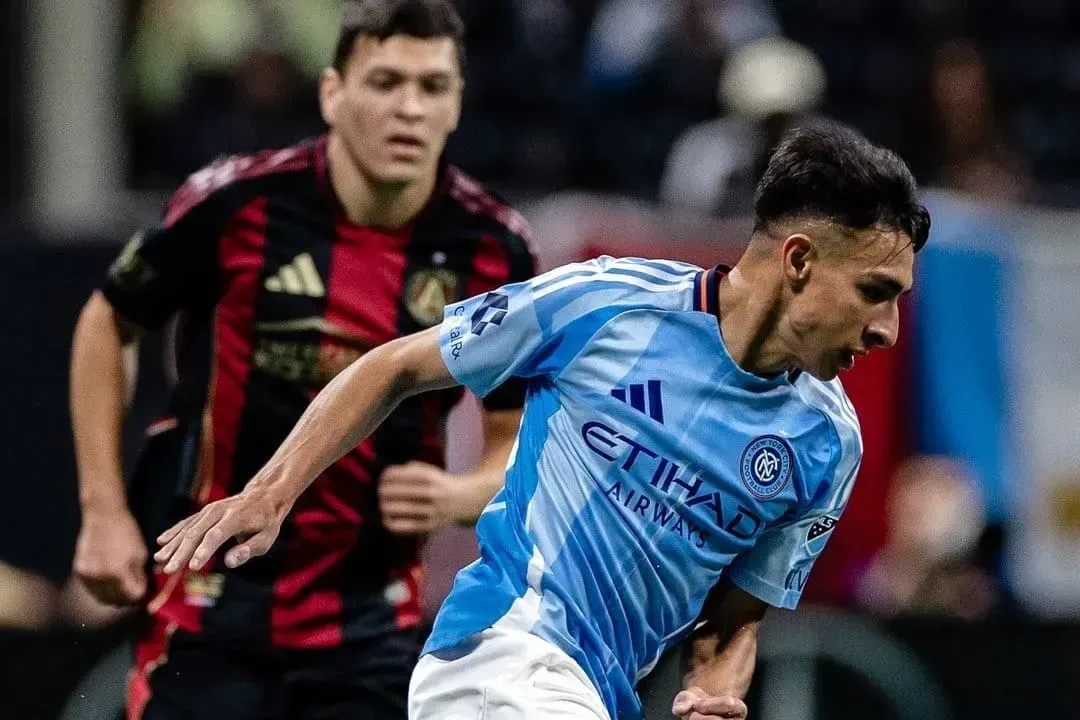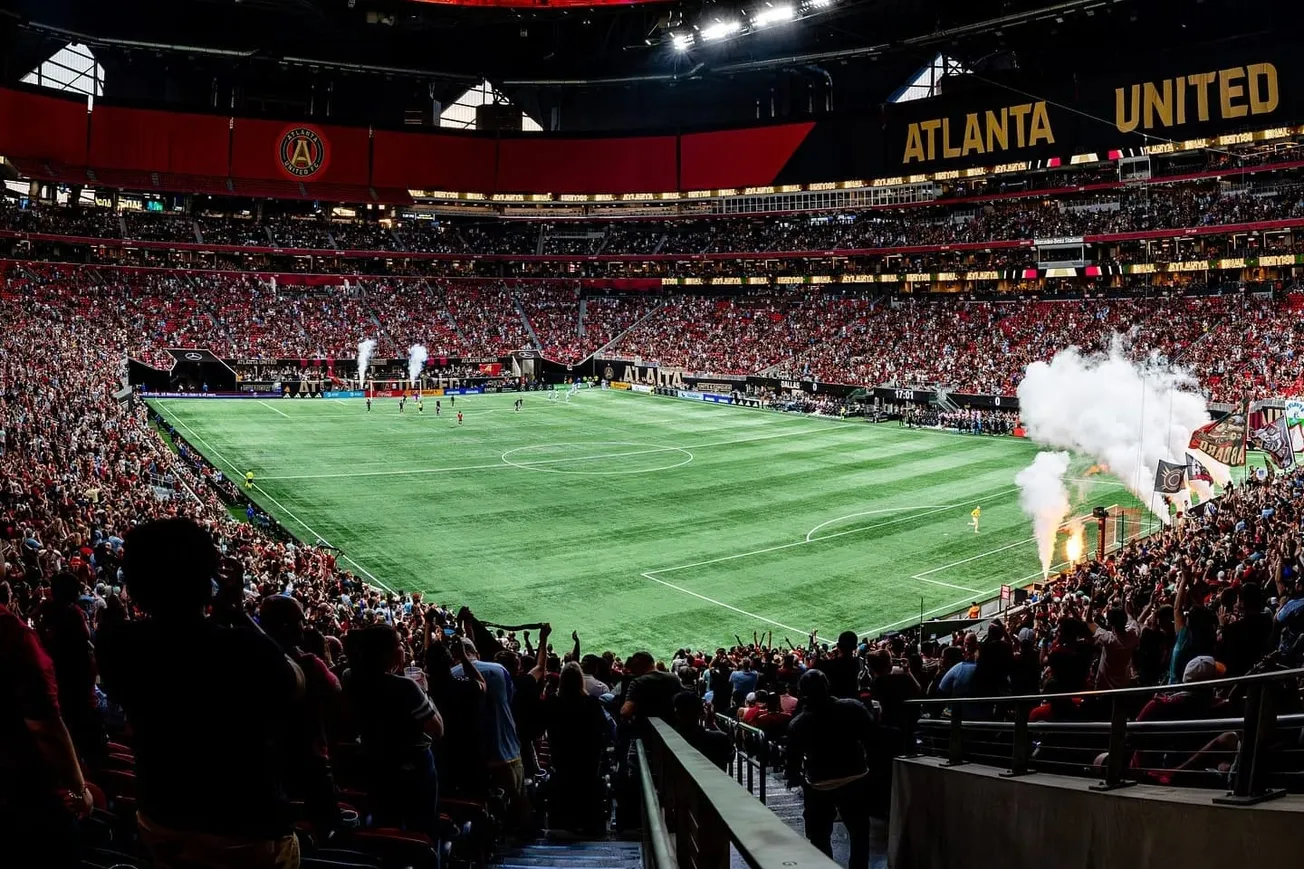

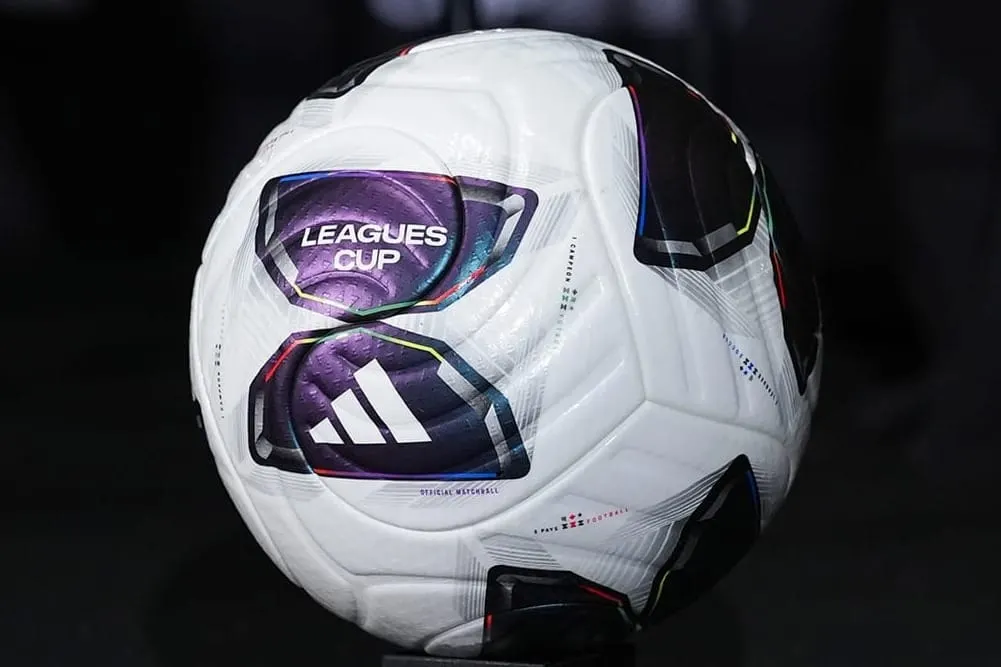
Two rounds of Leagues Cup matches are now complete, and the third and final fixtures of Phase One of the midseason tournament will be played between Tuesday, August 11 and Thursday, August 13.
While only two MLS teams are knocked out before this third round of games, the odds of grabbing a spot in the top-four, the only places in the MLS table to advance to the knockout rounds, are extremely long for the eight MLS teams with three points.
Those teams, like New York City FC for example, already suffered a loss to a Liga MX opponent. They're mathematically still alive, but they need lots of help from the group of eight MLS teams that still haven't lost inside 90 minutes and have more than three points to their names, six of them with all six available points, heading into their final Phase One games.
One more match to go, and everything is still up for grabs at the top! ⚽️🏆#LeaguesCup2026 Matchday 2 is officially in the books and here's how the MLS and Liga MX standings look 🔥😮💨
— Leagues Cup (@LeaguesCup) August 10, 2026
¿Qué equipos avanzan a cuartos de final? 🤔 pic.twitter.com/Ii2C4OUGVC
On the other side of the competition, 10 teams from Liga MX already know they can't earn places in the quarterfinals, a side effect of MLS dominating through the first two-thirds of Phase One: MLS teams have 23 wins to Liga MX's 13, and they've scored 66 combined goals, far dwarfing the 36 goals scored by the 18 Mexican clubs.
This is year two of this new tournament format, with two separate tables per league and with all Phase One matches pitting MLS teams against Liga MX teams in order to whittle the field from 36 to eight. New York Soccer Journal has covered elsewhere how this experience has gone for New York City FC — a positive performance, then a tougher loss, your true mixed bag situation — but what can we take away in the bigger picture about Leagues Cup and how it has functioned this year, for MLS teams and Liga MX teams alike?
Tons of KO'ed teams by Game 3
The third matches played in Phase One are full of teams already eliminated from contention for a spot in the Leagues Cup quarterfinals, and depending on how it plays out, we could get a fair number of truly meaningless dead-rubber games by the time we hit Wednesday and Thursday night's slate.
Five of the six games to be played on the night of Tuesday, August 11 feature one team in the fixture already eliminated, and that mainly covers teams from Liga MX, since as mentioned above, 10 of those sides have no hope of advancing.
While only two MLS teams are officially out of the quarterfinals as of Tuesday afternoon, Columbus Crew, Charlotte FC, and FC Cincinnati each have two wins and six points and play on the first night of this round, and each of them hosts a Liga MX team that's already been knocked out.
Wins from the so-far perfect MLS teams in either regulation (three points) or in penalty-kick shootouts (two points) would eliminate plenty of the still-mathematically-alive MLS sides that sit on three points, like NYCFC, and remove much of the mystery around who will advance to the quarterfinals.
 Mark Radigan
The Thursday night slate could end up with a high concentration of utterly insignificant soccer games, since three fixtures — NYCFC-Club Necaxa, Philadelphia-Santos Laguna, and Portland Timbers-Club Tijuana — might mean nothing with all six involved teams eliminated.
This is the reality of the new format and the quick reduction of the field after a condensed two weeks that packs in all 54 of the matches played in Phase One. It's the complete opposite of how the tournament worked prior to the format change, when teams got put into groups of three and when it was almost too easy to advance, with more spots available in the knockouts and losses not punished as harshly.
Now, if you drop multiple points, and especially if you lose, you're basically eliminated, and teams end up with decisions to make about how they approach lining up for games that are glorified exhibitions, knowing they've lost their chance to advance.
MLS serves its youth
One decision MLS coaches have undeniably made during Leagues Cup so far: They've played the kids.
Through two matchdays, the 18 participating MLS teams combined have fielded 22 teenagers. Five of those teenagers made their first starts of the season with their MLS clubs: Chase Adams of Columbus Crew, Ervin Torres of Austin FC, Johnny Selemani of Vancouver Whitecaps FC, Robert Turdean of Chicago Fire FC, and Bryan Zamblé of San Diego FC. A total of 35 appearances made by MLS teens through two rounds of games shows that Leagues Cup has provided something of a first-team platform for the next wave of possible MLS talent, though it doesn't help Leagues Cup beat its lingering "lower stakes than a cup tournament should be" allegations.
10 MLS teenagers with most Leagues Cup minutes
| Name | Team | Age | Total Minutes |
|---|---|---|---|
| Bernardo Rhein | Orlando | 18 | 180 |
| Luis Otavio | Orlando | 19 | 167 |
| Jonny Shore | NYCFC | 19 | 165 |
| Andrei Chirilă | Cincinnati | 17 | 152 |
| Ervin Torres | Austin | 18 | 151 |
| Cavan Sullivan | Philadelphia | 16 | 149 |
| Rodolfo Aloko | Charlotte | 19 | 139 |
| Rayan Elloumi | Vancouver | 19 | 138 |
| Dániel Pintér | Miami | 19 | 133 |
| Justin Ellis | Orlando | 19 | 107 |
Through two matches played.
By design, the rules of Leagues Cup make it more appealing for MLS coaches to give kids a chance to play. Rosters for the tournament expand and teams can submit 30-player squad lists, and there are also no limits to the number of short-term call-ups MLS teams can give to players from their MLS Next Pro reserve sides.
Even outside of the teenage cohort, on a local level, we've seen New York City FC bleed some of its little-used youngsters, with Homegrown signing Cooper Flax making his first-team debut, and with regular NYCFC II players like Max Murray and João Loiola getting their first real opportunities to play with New York City FC.
Given that the schedule has teams playing three matches inside eight days during Phase One, squad rotation and the testing of squad depth has been a common sight across the league, to the benefit of some of the league's younger players.
Home-field advantages are real
Finally, after years and years of waiting, some Liga MX teams got a slightly more level playing field in this tournament by hosting a match, or in Toluca's case multiple matches, at their home venues in Mexico.
Club América beat San Diego FC 3-1 at Estadio Azteca, Toluca blanked Seattle Sounders 3-0 at their Estadio Nemesio Díez, and Tigres and Toluca still each have one more Mexico-based match to play to close out their Phase One schedules. Only playing four of the 54 opening matches on Mexican soil still feels way insufficient, especially since Liga MX teams only have 11 wins out of the 34 matches played on US soil so far during this Leagues Cup.
Some Liga MX teams still find home field-like conditions while playing north of the border, with maybe no better example than the advantage Club América enjoyed while their fans took over Providence Park in Portland, Oregon.
That was a reality that drove Timbers player Kristoffer Velde slightly mad, with the Norwegian forward going on an expletive-filled rant when asked to discuss the atmosphere at the Timbers' home while it was overrun by América supporters.
A clearly pissed off Kristoffer Velde post-match. On the atmosphere, “Shit. Shit, shit, shit. I’ve never seen anything like it.” #RCTID pic.twitter.com/6gEQHuTewP
— Alex Barnes (@ABarnesandnoble) August 10, 2026
Velde took exception, but we've seen this dynamic play out for plenty of other one-off games between popular Liga MX sides, though maybe not in places like Providence Park, known through the years as being a well-attended fortress for the Timbers. Across the country, Cruz Azul fans drastically upped the number of fans inside Sports Illustrated Stadium after NYCFC announced a midweek crowd of 12,275 for the Santos Laguna match. That's the "announced" number in that it's the number of tickets sold, not the actual count of people in the seats in Harrison, which was certainly not in the tens of thousands.
The Cruz Azul game drew an announced crowd of 20,969, still likely inflated and a tickets sold count, but representative of an uptick, one that was noticeable in the amount of vocal support going Cruz Azul's way. A darker shade than NYCFC's azul celeste filled out the seats in the New Jersey stadium, making for a very different atmosphere for NYCFC's players than what they tend to experience at midweek against some lesser-celebrated Liga MX sides.
Bringing Leagues Cup matches to Mexico yielded expected early results, but four matches is still such a small number. The tournament still could use more geographic balance, a lament revisited by Club Tijuana coach Sebastián Abreu, who said the travel for Mexican teams is "a physical grind," and that, "the local teams go home, eat their home-cooked meals with their families and kids, nice and comfortable."
‘Loco’ Abreu nuevamente criticó a la Leagues Cup.
— Ernesto Barraza (@LuisE189) August 10, 2026
“Los de acá están con su familia, a gusto; mientas nosotros estamos en chinga”.
“El futbolista no es un robot, hay un desgaste. Está hermoso el torneo, pero es una carnicería física de viajar”. pic.twitter.com/Inwk2go1sl
Preseason vibes despite the stakes
The timing of this tournament, especially since it expanded into the 30s of teams in 2023, has always felt awkward. It's been right in the middle of the MLS season and right at the start of a new Liga MX season in each of these four expanded editions, and for a while, it resulted in a full month-long break in league play to fit in a group stage and more knockout rounds.
Liga MX teams are just getting back up to full-season speed, plus they're going on weeks-long tours of the United States, given there are have been less than one handful's worth of Leagues Cup matches played in Mexico. The timing and the logistics go a long way toward explaining why a team from Liga MX has yet to win this version of Leagues Cup, but some of the balance might shift once MLS is switched over to its own new late-summer-to-spring calendar, beginning next July.
Leagues Cup is continuing, as there's been no indication it might not, and as Brad Sims, president and CEO of NYCFC, addressed it in a recent media roundtable. "My understanding is Leagues Cup is going to continue, and continue with similar or the exact same format as it has been last year and this year. I don't know exactly what time, I don't know if it will still be August or not," Sims said of the tournament.
If teams from each league have to start playing Leagues Cup matches while only a few weeks into their regular seasons, that's a much fairer setup on schedule terms, but it might continue to be a struggle to have the intensity of some of the games match the potential prizes available when reaching the end of the Leagues Cup knockouts, with the three top-placing teams qualified for the next year's Concacaf Champions Cup.
There's also monetary incentive to perform in this tournament, considering that the winner takes home a $2 million prize, with the runner-up pocketing $1 million. You get $500,000 for finishing in third, but every team earns $100,000 for each match it plays in Leagues Cup, and every win in Leagues Cup gets the winning team a $50,000 bonus. Put a run together and you can pocket some serious cash, but all the things that have made Leagues Cup quirky in its years played since 2023, also make it hard to get teams excited to throw everything at a chase for the trophy.
MLS is in a moment of great change, with a new commissioner, and a new league calendar and competition format coming next year, with the prospect of also loosening its roster rules to let teams spend more on talent. Leagues Cup has been in a state of constant change since its creation, and it might still stand to benefit from attempting to make some more changes — playing more in Mexico, revisiting how many teams advance to the knockouts, upping the stakes for teams perhaps with even more prize money — to give the tournament something of a necessary boost.
This post is free to all readers. Consider becoming a paid subscriber to support our continued coverage.