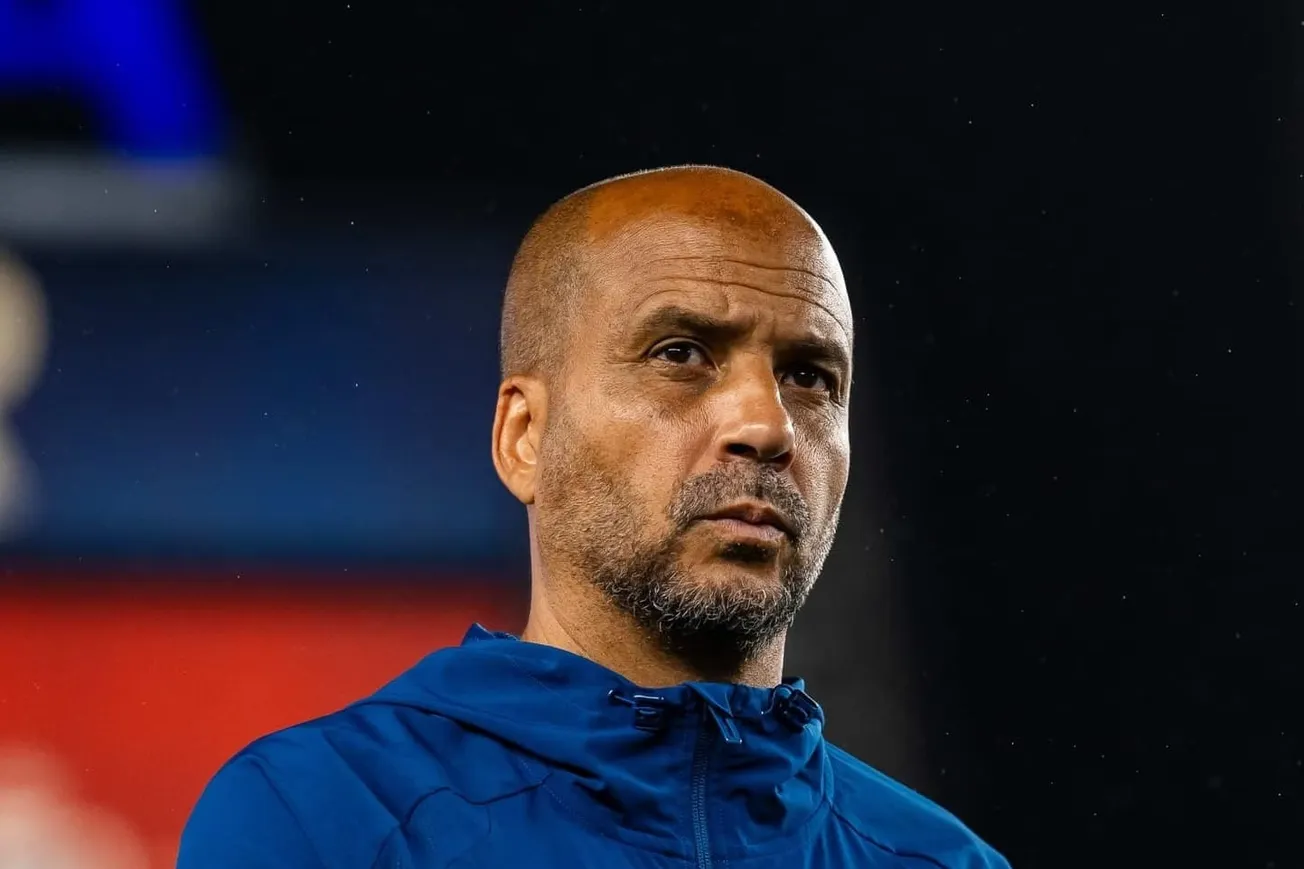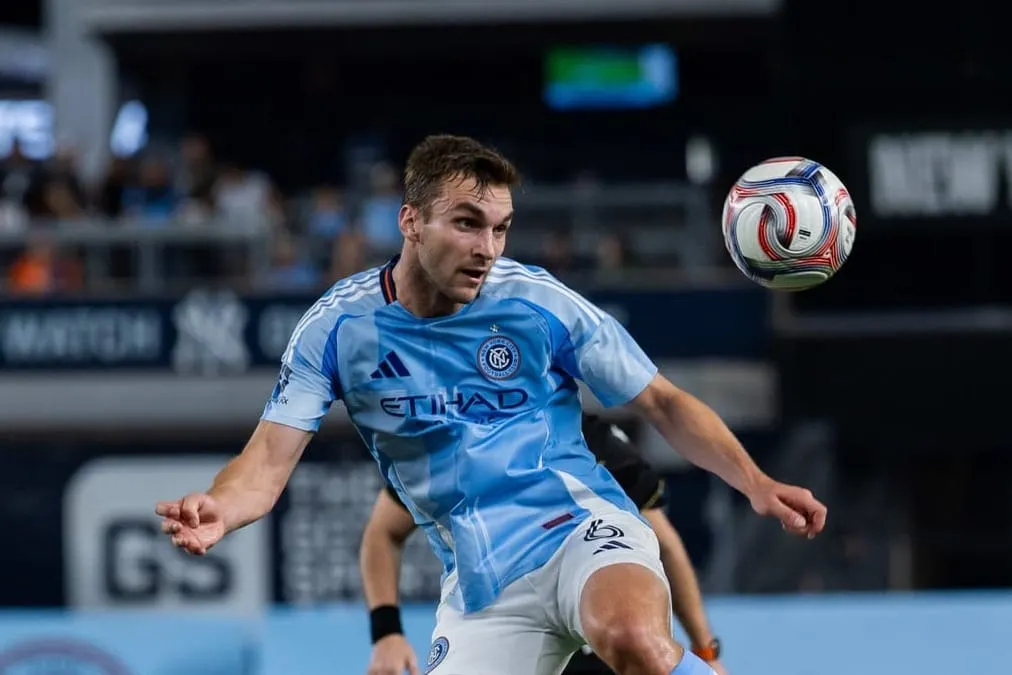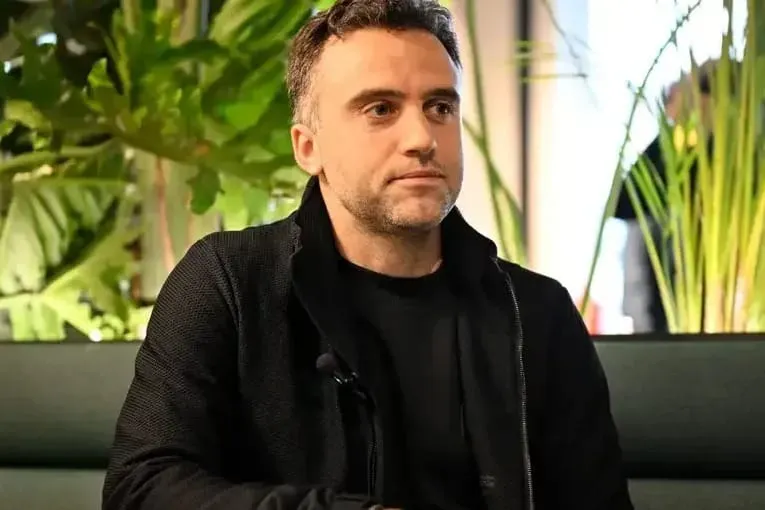

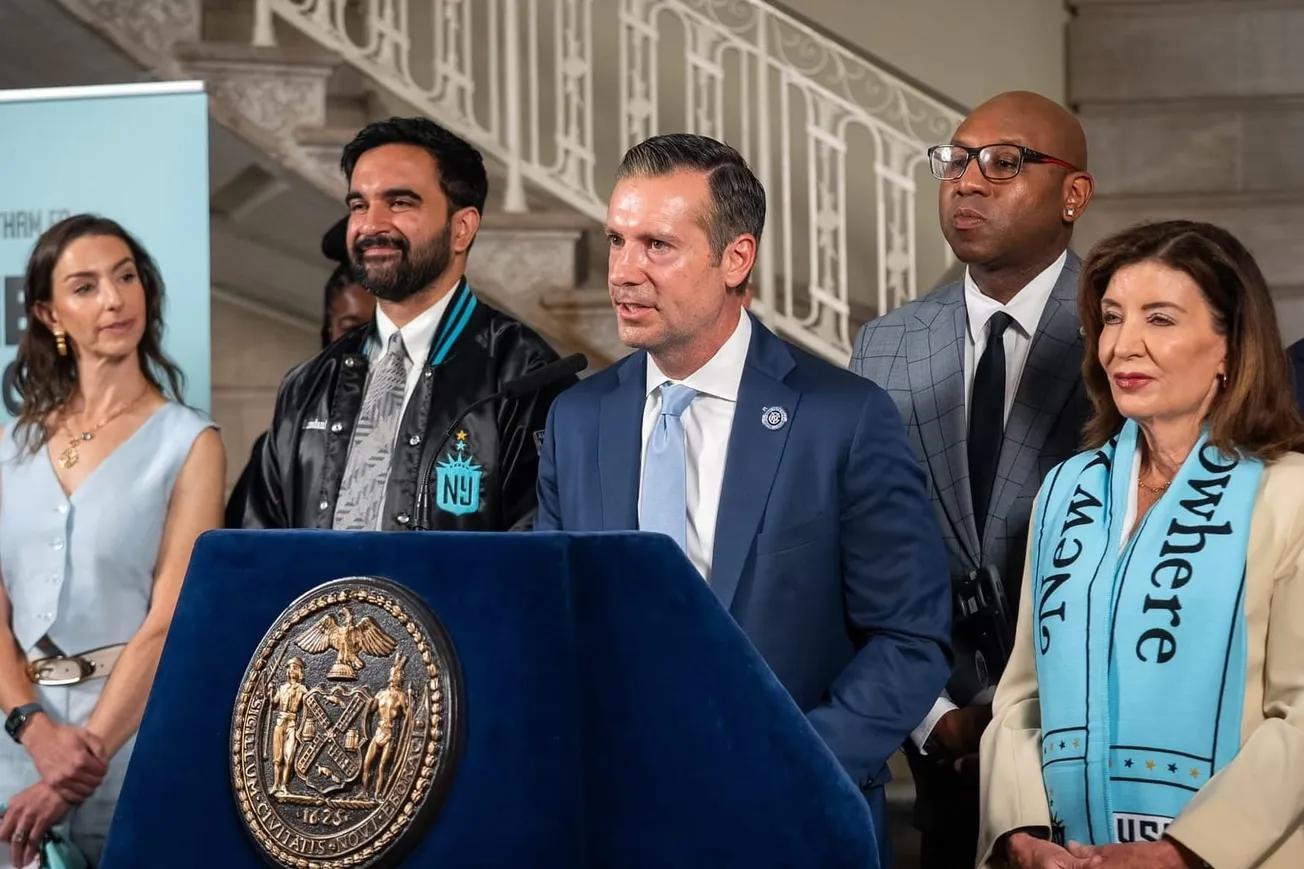
Earlier today, New York City FC's president and CEO, Brad Sims, participated in a roundtable interview with members of the media. Sims had a lot to say about a wide range of topics, like what he hopes to see from the new MLS Commissioner, what it means for NYCFC to aim to be the "undisputed flagship club" of MLS, the appeal of the NYCFC project to prospective marquee players (like, say, Christian Pulisic), and lots about Etihad Park, from Gotham FC moving there in 2028, to pricing and concerns from long-time ticket holders, as well as the prospect of hosting extra events like the MLS All-Star Game. There's also news in here about the future of New York City FC II and MLS Next Pro, but to read all of what Sims had to say, you'll need to be a subscriber to New York Soccer Journal.
Note: Statements below were edited for length and clarity.
Andrew Leigh, New York Soccer Journal: Today's a big day in that we're going to find out there's a new MLS commissioner [Editor's Note: It's Larry Berg of LAFC]. I'm curious what you think about the next phase of MLS, and what the biggest things that that new person in charge, and the league in general, needs to get right?
Brad Sims: "I think first I would say that it's big shoes to fill for whoever comes in, because I don't think that Commissioner [Don] Garber gets all the credit that he deserves. I think when you go 10, 20 years in the future and you look back, I think he's going to go down as one of the best commissioners of any sport.
He took a league from literally ground up and found a way through multiple times. Early on in MLS 1.0, what the league might have been, who knows if it was going to make it or not to where it is today with 30 teams, strong teams, 27 or 28 soccer-specific stadiums.
Teams valued at very high numbers including a handful of teams valued over a billion dollars, New York City FC being one of those. It's amazing. I think that, across the board, the league out-punches its weight in so many areas: League sponsorship, revenue, licensing, attendance, sponsorships, it's a very strong business and I think everything is in a really strong place. So I think someone new coming in now, it's not like, 'Hey this is a fixer-upper,' or 'We got to tear this thing down to the studs and start over.'
I think it's, build upon strengths and try to identify areas that we can get even stronger in, which there are some for sure, there's no doubt. It's really going to be the level of competition, and I think that all the owners have always been united in the fact that they want the level of play to continue growing, and I think that it's, I don't think anyone would dispute that the level of play in this league in 2026 is better, to far better, than it was in 2021, and then 2021 was better to far better than it was in 2016, and 2016 better than it was in 2011.
So I think that there's some level of how do we make sure that that continues to happen. I think some of the great groundwork in terms of where is the league going has already been laid ahead of time of the new commissioner coming in, in terms of new competition formats, and new calendar, and so I think that the new commissioner is going to be stepping into kind of a playbook that has been mostly written for where the league is going forward.
It's a matter of: How do they challenge the owners in ways that maybe they haven't been challenged before? Thinking differently. I think there's going to be some debate on parity in the league, and is parity, which I think is a founding ethos of MLS, essentially is that going to continue to rule the day going forward, or is there some potential balance, after seeing quite frankly after seeing what Miami has done, are there ways to encourage more of that in this league, and would that have more positive ramifications or negative ramifications? I think that's what the owners will have to figure out. Positive ramifications could be broadcast, does that become a more compelling broadcast value proposition, or do we want to make sure that parity is so paramount where every year fans in these 30 markets can feel like going into the year that their team has a good chance, or if your previous year, you were dead last, you could go worst to first we've seen a lot of times in this league teams go worst to first, and teams go first to worst, and I think that that in a lot of ways has been good for the league.