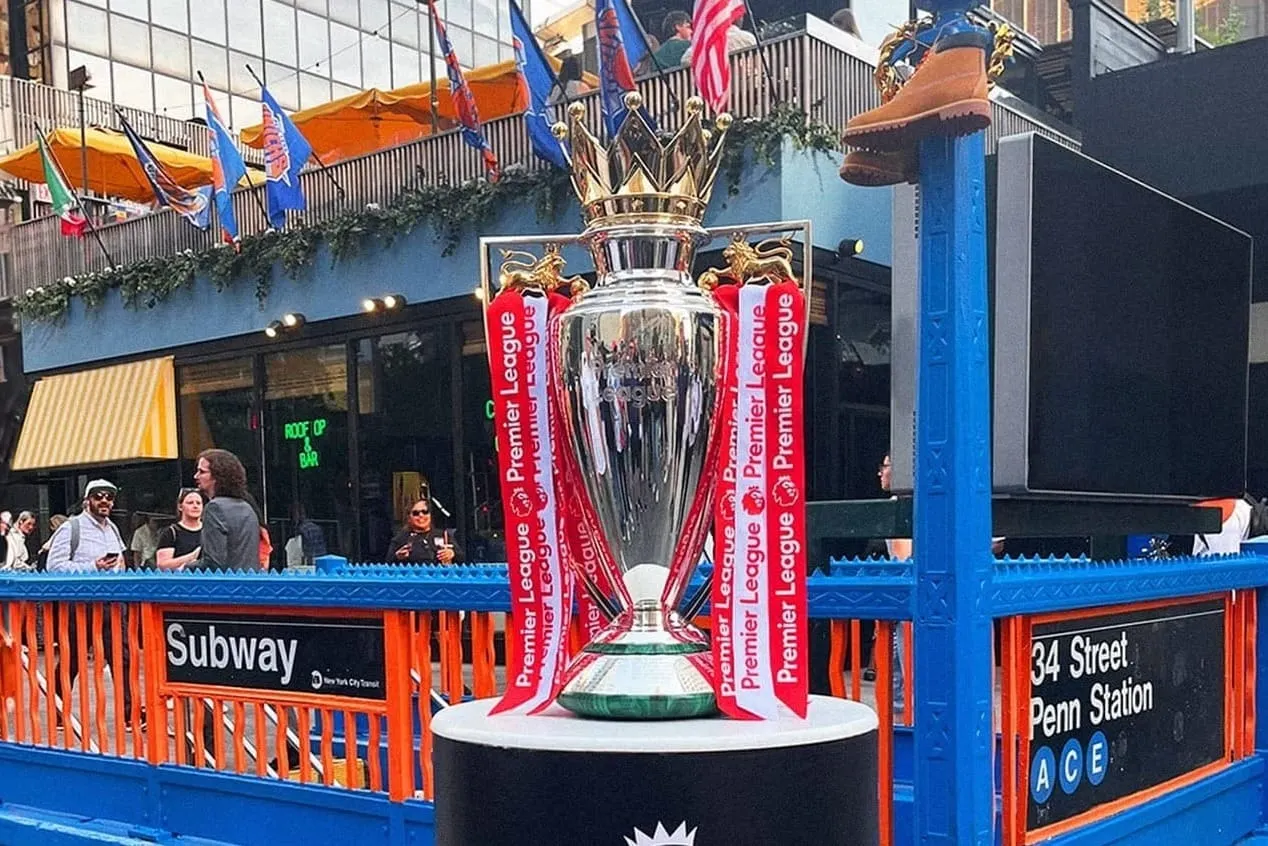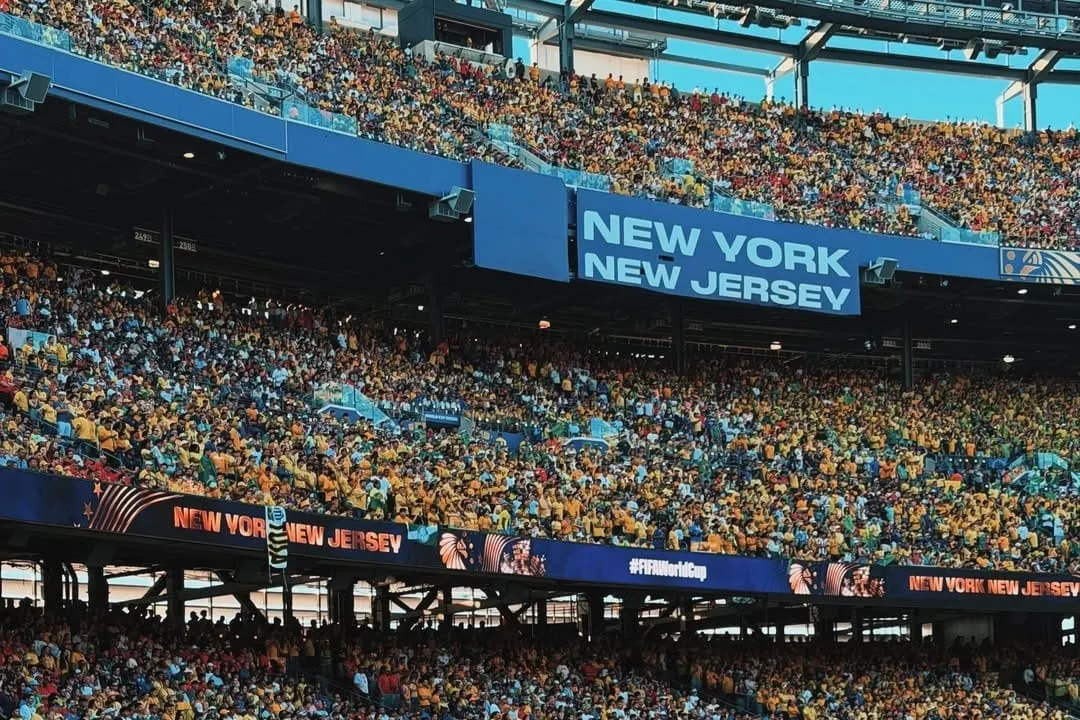

This is the first-ever City Soccer Review, our weekly subscriber-exclusive newsletter that gets you completely caught up on the game’s biggest happenings, locally and beyond, from any given week. Subscribe now and ensure you get every single issue straight to your inbox.
Two unrelated things happened this week that feel related even if they aren't, directly: Another batch of "last minute" tickets to this summer's FIFA World Cup went on sale, and a new report from the Aspen Institute's Project Play initiative came out, showing that the high cost of entry to participation at youth soccer levels continues to hold the game back in the New York area.
The report was commissioned in part because the World Cup is coming here to the New York/New Jersey region this summer, and the findings showed that one-third of players (32%) surveyed cite expensive team fees as a major issue, and that number climbs to 41% for children from low-income households.
According to this report, New York City is also still chock-full of "soccer deserts," meaning urban areas in the Bronx, Brooklyn, and Queens where there's no real infrastructure for kids to play soccer.
Pay-to-play at youth levels has long been one of the regular reasons given when people attempt to diagnose the institutional reasons soccer gets held back from reaching "top sport" status in the United States, and this report is yet another example of the barriers local New York-area youth face as the game continues to be dominated by elite youth academies or travel teams or the like.
Accessing the World Cup this summer comes with even more extreme financial barriers to entry, and that feels like an additional setback to the growth of the game locally when viewed through the lens of this new Aspen Institute report.
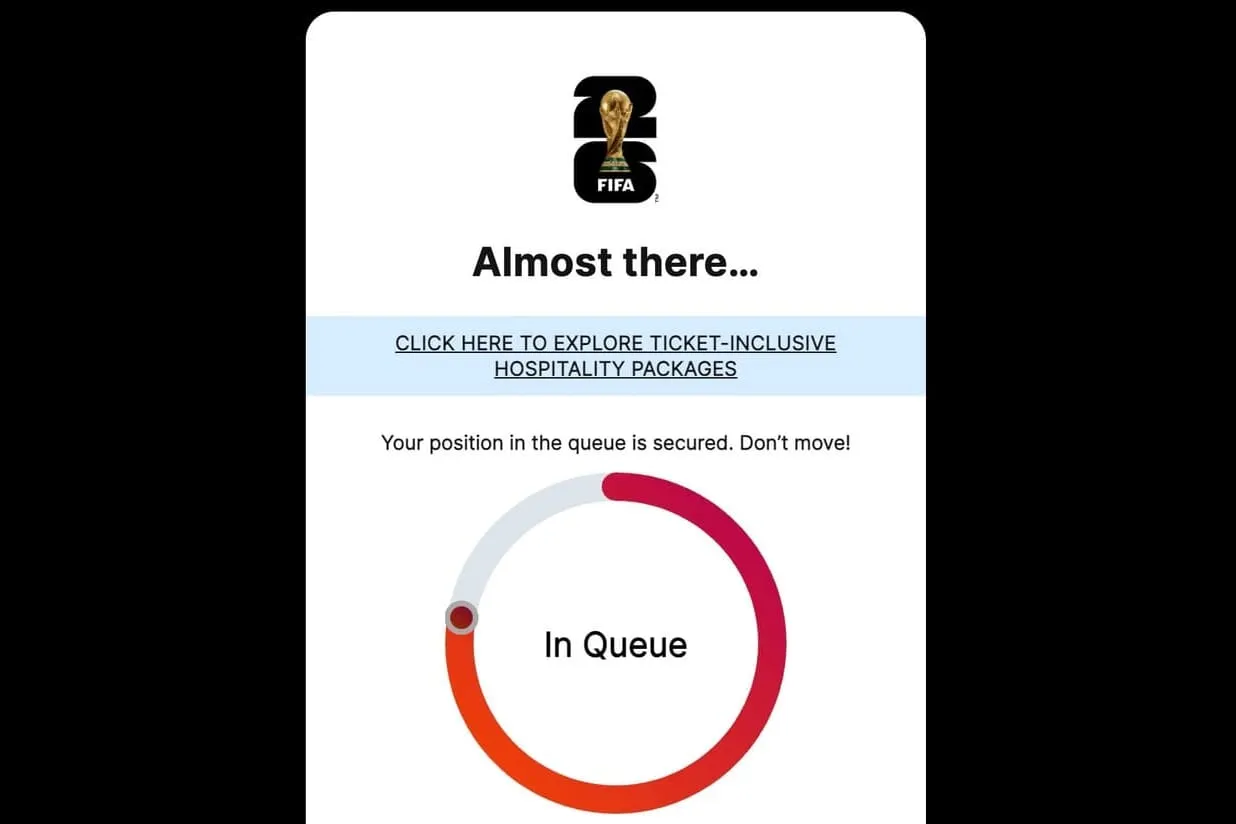
You need to have the time and availability to spend hours upon hours waiting in FIFA's ticket queue for your chance to buy direct from the organizing body, like many people did once again this week.
Even after doing that, though, tickets remained exorbitantly priced and inaccessible to many, and are even less accessible when sought on secondary ticket marketplaces like StubHub or on FIFA’s own resale site.
There may be no better example of that than the fact that four tickets to the World Cup Final at MetLife Stadium were just listed with an asking price of $2.3 million per ticket. Physically getting to the games would cost you hundreds more for either those absurdly-priced $150 NJ Transit tickets, or for one of the few parking spots available for purchase at the stadium (also high-priced in the $200+ range, and scarce).
The game isn’t growing when kids can’t afford to get started playing, or don’t have fields to play on. FIFA certainly isn’t growing the game by having its marquee event completely cut off to anyone without lots of disposable income ready to drop on tickets and travel and all the rest of the match day expenses.
There’s been lots of talk about a “World Cup bump” helping the sport here in the United States and more locally in New York. A “bump” feels like a nonstarter when you face how hard it still is to get into the game, be it as a city kid or an aspiring World Cup attendee, unless you’re fortunate enough to have the means.
It should not be this way, and a whole generation of soccer players and fans risks getting left behind if the sport can’t get more affordable and accessible domestically.