
The phrase "Black Monday" in pro sports usually brings to mind American football, the day a variety of NFL coaches get fired after missing the playoffs.
In the local soccer world of the Tri-State area's three men's USL teams, Black Monday fits the bill for this day in 2026, as the regular seasons of USL Championship and USL League One have ended and all three local clubs — Brooklyn FC, New York Cosmos, and Westchester SC — finished their seasons with no playoffs and with their clubs facing various states of hardship.
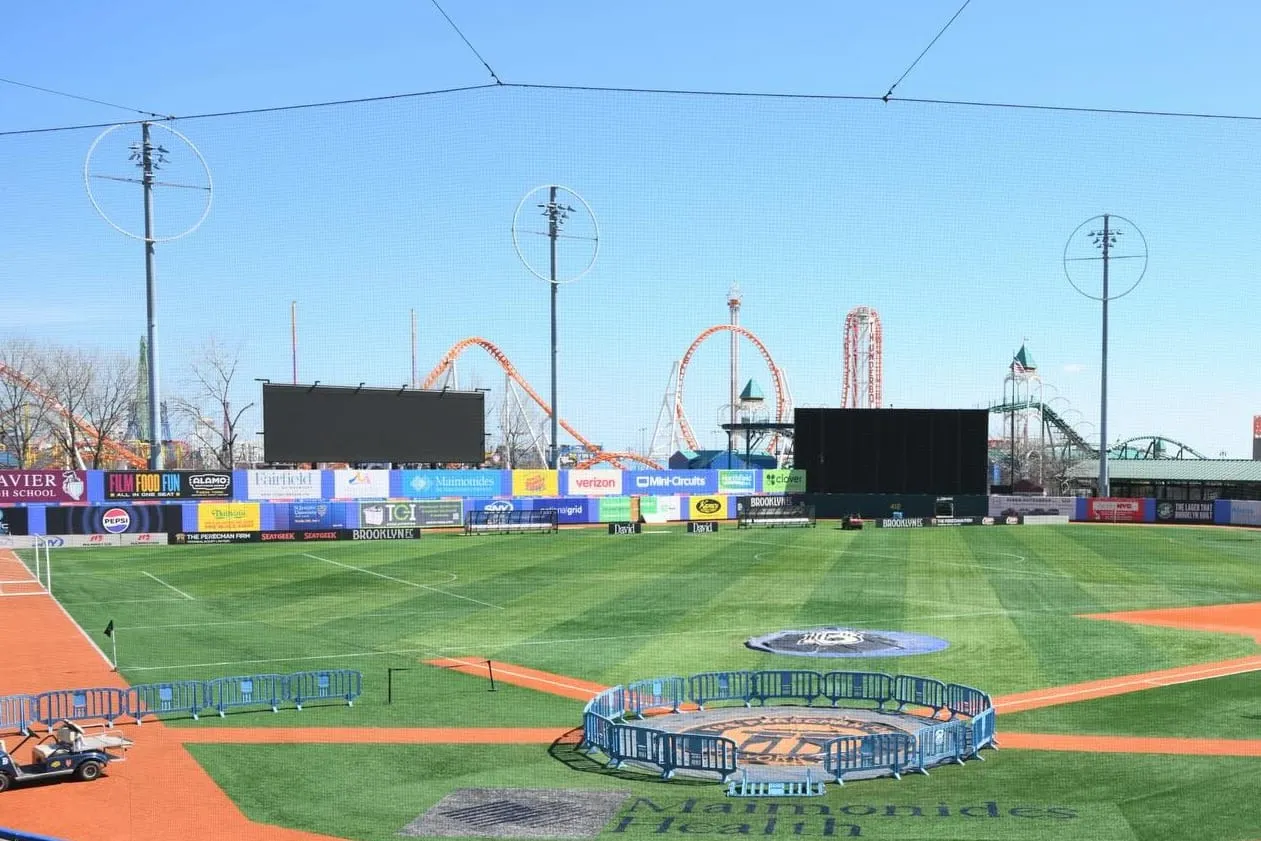
Brooklyn FC wrapped up its inaugural season in the USL Championship with a 4-3 away loss to Loudon United FC, with Brooklyn ending the season with the second-worst record in the competition (21 points, 5W-6D-19L), and with some of the worst attendance numbers in the league at Maimonides Park in Coney Island.
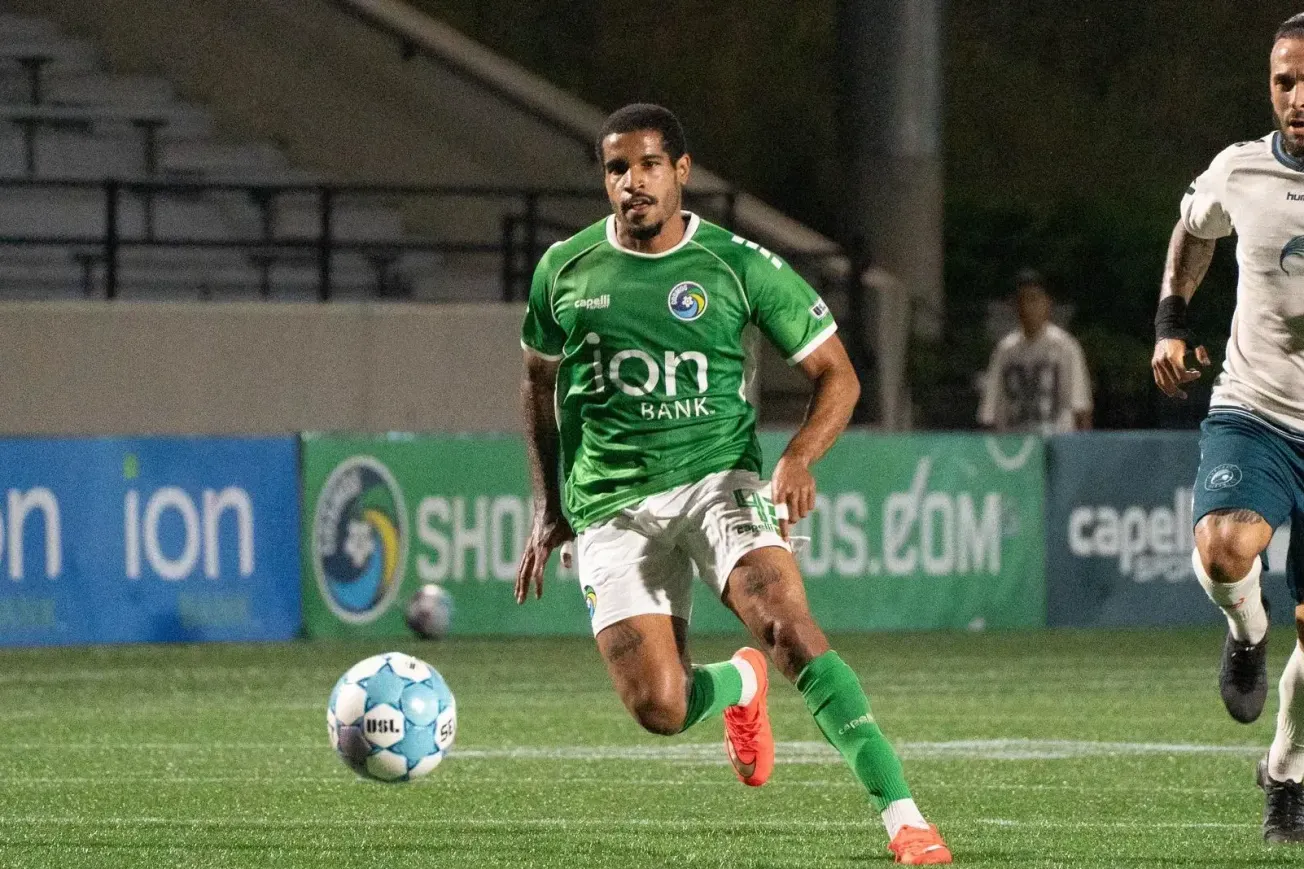
Over in Paterson, New Jersey, the New York Cosmos closed out 2026 with a 1-1 draw with Chattanooga Red Wolves SC, ending their inaugural season in USL League One with the second-worst record (27 points, 7W-6D-19L) in that competition. The Cosmos paired their poor play with a fair number of issues off the field, with Giuseppe Rossi and Erik Stover departing midseason from the club's front office, and with their own attendance and administrative struggles at the renovated Hinchliffe Stadium.
Then there's Westchester SC in Mount Vernon, New York, which finished in 10th place in USL League One and closed the year on a seven-match unbeaten run, a big on-field improvement from their inaugural 2025 season, when they finished dead last in the league.
The off-field side of things for Westchester, though, is cataclysmic, as the club is set to cease operations and head to the lower-league team graveyard. They'll be joined there by Texas side Corpus Christi FC, also set to fold and reduce USL League One's club count by two, until whatever new wave of expansion sides joins to take their places.
Westchester's death hasn't been officially, formally confirmed by league or team, but it's been widely reported, with the Westchester SC supporters group 914th Infantry also confirming the impending demise of the club it supports while watching the team close its season with a 2-2 away draw vs Sarasota Paradise.
Times are extremely tough for the USL franchises in and around New York City, with one folding and with two others swimming against the tide on and off the field. USL faces an uphill climb as it tries to carve out niches in the local soccer market, and right now, it's not clear how USL's ambitious plans for the 2028 season will play locally in the New York area.
On the Horizon: New pyramid, one new club
While the local USL teams are down bad, the leagues they occupy or occupied remain focused on bigger things to come in the years ahead.
Last week, USL rolled out a big corporate rebranding that's centered on the big change coming to the USL ecosystem in 2028: The introduction of a new first division league, USL Premier, and the introduction of promotion and relegation on the men's side of the competitive pyramid.
The rebranding of USL technically "arrives" in 2027, in that the leagues have new logos and a new "United For Soccer" tagline that some marketing agency was likely paid many dollars to come up with, but the 2028 season is when the landscape really changes for USL clubs.
That's when USL Premier is supposed to arrive, the new league that will sit above USL Championship and that will seek Division One certification from US Soccer, putting it on level competitive footing with Major League Soccer, and paving the way for promotion and relegation to begin for men's clubs in USL Premier, USL Championship, and USL League One.
The change to the pyramid and the introduction of promotion and relegation is a huge gambit for USL to undertake, and one that very much sets USL apart from the other organizations running pro soccer in the United States. It's pure ambition, but it's also still arriving at a time when USL clubs face the threat of extinction while working through off-field challenges that come from lack of resources, dysfunctional behind-the-scenes operations, and all sorts of other factors that make it difficult to make the business of soccer work in different parts of the country.
That all applies directly to the New York area. A lot would need to improve for the remaining local USL clubs, on field and off, to match the ambitions held at higher-up league levels inside USL.
It was only Year 1 for Brooklyn and the reborn Cosmos, but they lack the soccer infrastructure (i.e., good stadium situations with growing fanbases, pipelines of local talent from youth levels on up) that would make an outsider feel confident in the New York teams and their ability to meet the 2028 moment when USL's business and competitive structure changes.
That year is going to be a big one on the local scene, too, because it's when the new USL Long Island franchise is set to make its competitive debut, with plans to compete in USL League One while playing at Hofstra University's Shuart Stadium. While Westchester SC fades into memory, USL does have another local franchise ready to take its place — but what kind of environment will USL Long Island step into when it debuts in 2028?
That club will be competing for local market share against a brand-new independent MLS Next Pro franchise, The Island FC, which is playing almost directly across the street from USL's new home at Hofstra University.
USL will be hoping its introduction of promotion and relegation sets its teams apart, on Long Island but also in northern New Jersey, from the impending threats of new MLS Next Pro franchises — lest we forget, New York City FC II will be rebranded and relocated to Middlesex County, NJ, by the summer of 2027, giving the Cosmos another Garden State competitor for attention and, potentially, for talent.
As the 2026 season closes, one local USL club is presumed dead, and two more are in need of some resuscitation as they prepare for their second seasons. USL will be hoping the local Tri-State teams can sort their houses out between now and when the league's big switch occurs in 2028, but at this moment off the heels of a rough calendar year for each local USL club, it's hard to paint the most optimistic picture of what's to come.