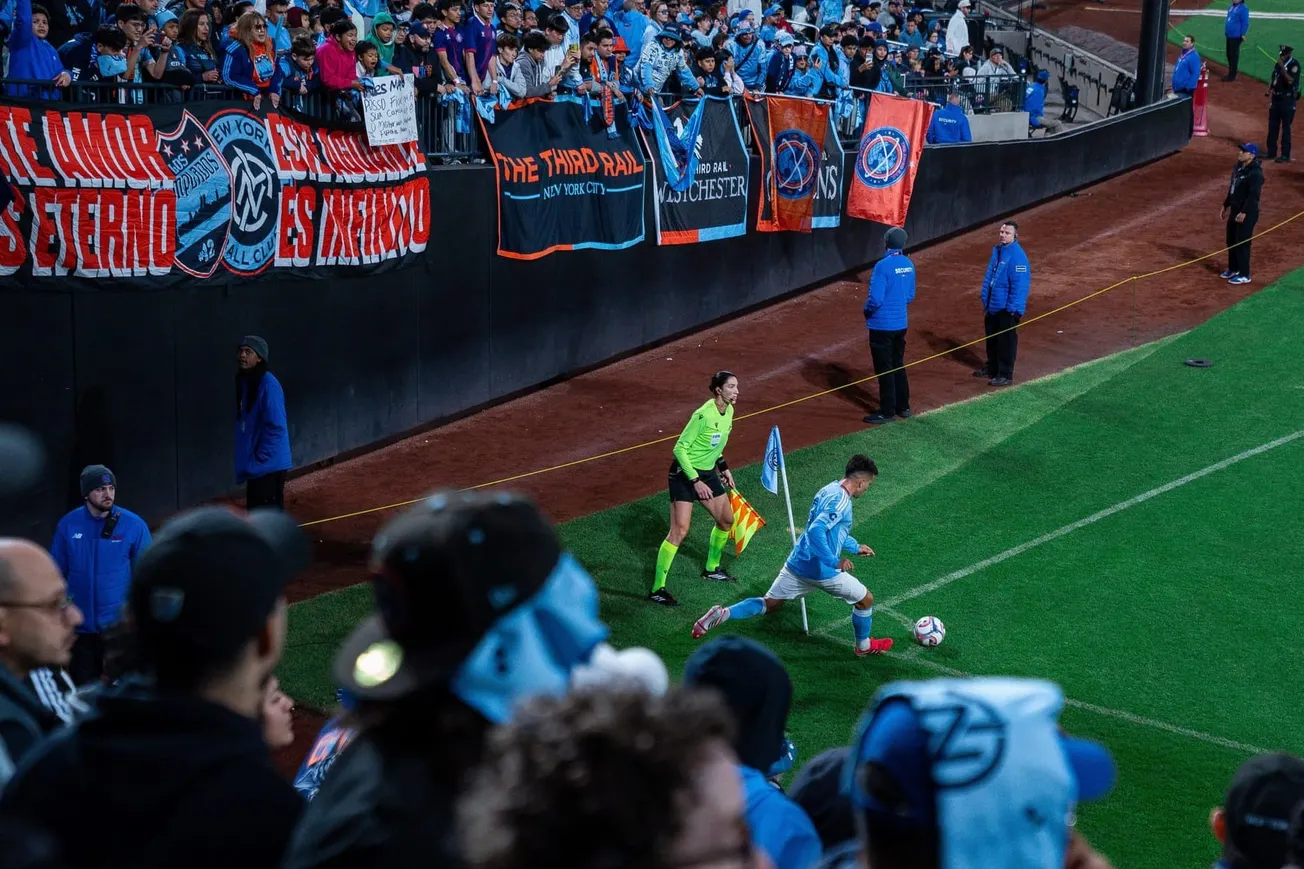

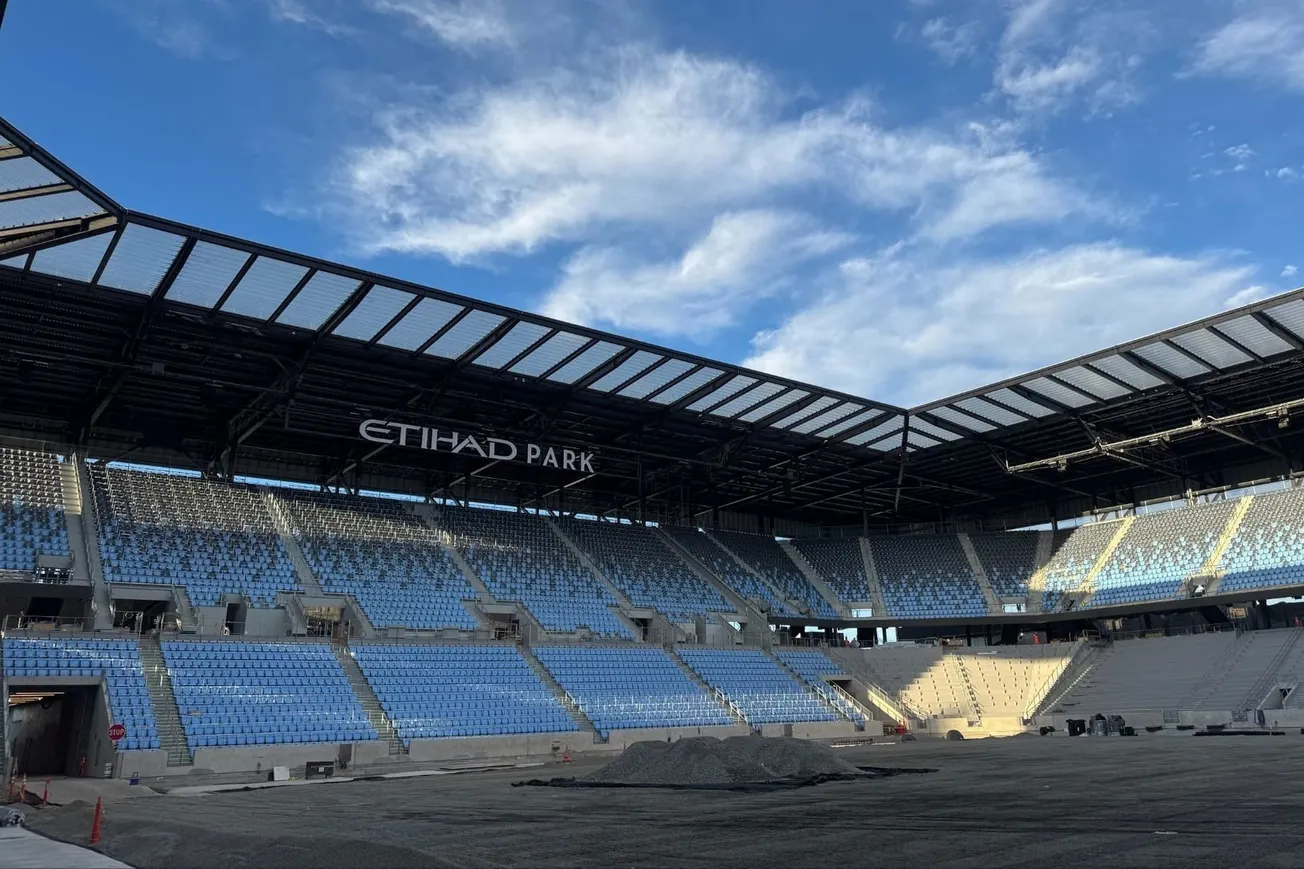
Ahead of their 1-1 draw with Los Angeles FC on Saturday night, New York City FC welcomed select media outlets into its future home, Etihad Park, for a tour of the site.
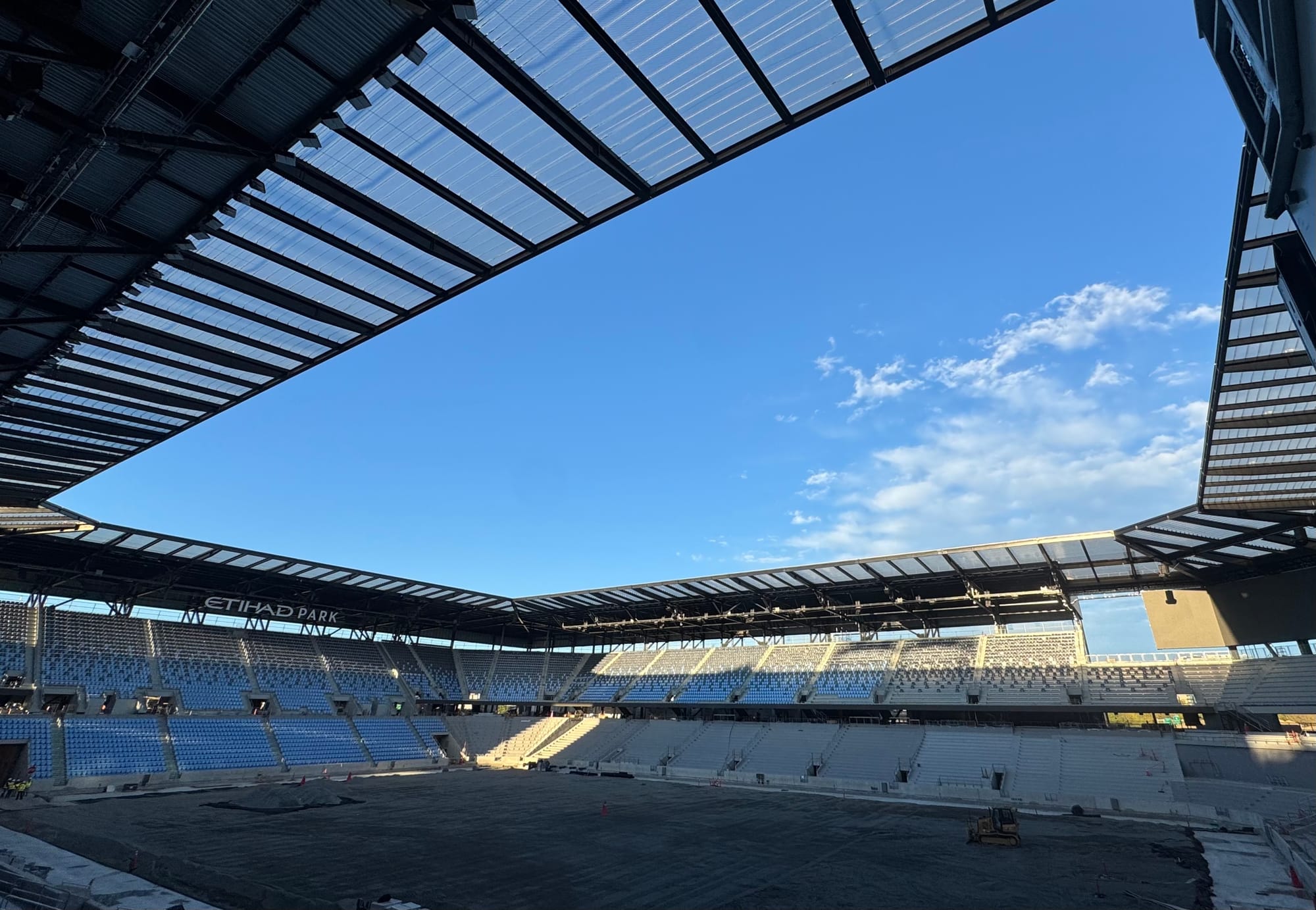
Set to officially open on July 17th, 2027, the venue is still under construction, with hard hats and other personal protective equipment still required to walk around the grounds. Gone are the days of relying on renderings or a good imagination to see the final picture; Etihad Park officially looks like a soccer stadium.
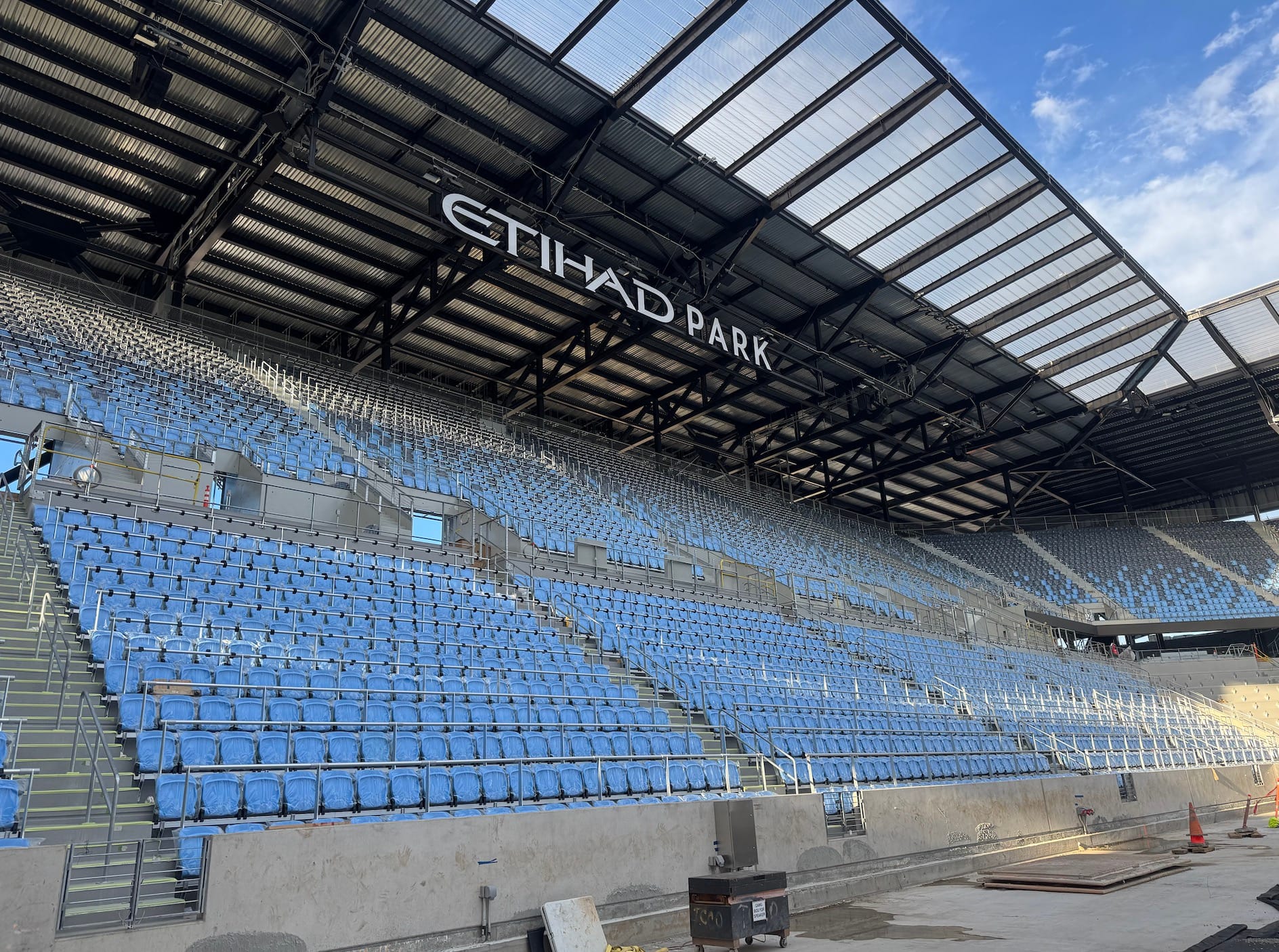
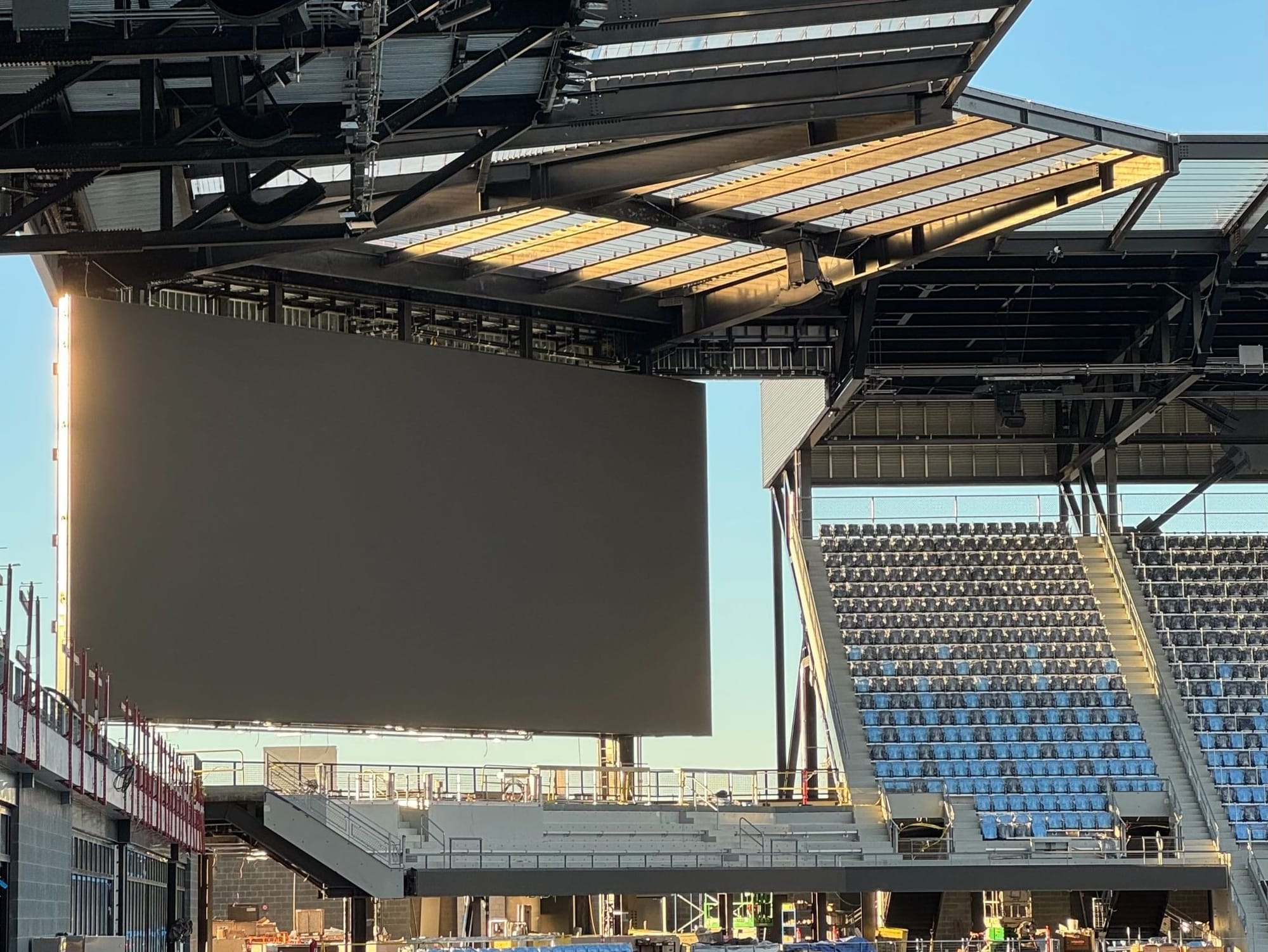
Per Jennifer O'Sullivan, NYCFC's chief operating officer and media tour guide for the day, the all-electric stadium will boast 25,000 seats, a world-class grass pitch, premium hospitality offerings throughout, and the largest video boards of any soccer-specific MLS venue.
Maintaining a New York image was core to the build, with the Manhattan skyline visible from certain portions of the stadium, local food vendors set to be present throughout, and a slate-gray brick exterior that's fitting for the concrete jungle.
Then, of course, there’s "The Cube," the stadium's seven-story, LED-lined crown jewel of a main entrance. The Cube will be the first thing most fans see as they approach the stadium, with the entrance perfectly situated for fans coming from the 7 subway stop, the Long Island Railroad, and the main parking lots. The LEDs will display larger-than-life highlights, graphics, and matchday information to an estimated 70% of the stadium's fans as they pass through.
Per O'Sullivan, The Cube drew inspiration from The Sphere, Las Vegas' now infamous venue which opened in 2023. The Cube won't exactly be hosting concerts or other events like its rounder cousin out west, and frankly, it doesn't seem to hold much practical purpose other than, "Whoa, look at that thing." Hey, it’s nice for a stadium to have a calling card, right?
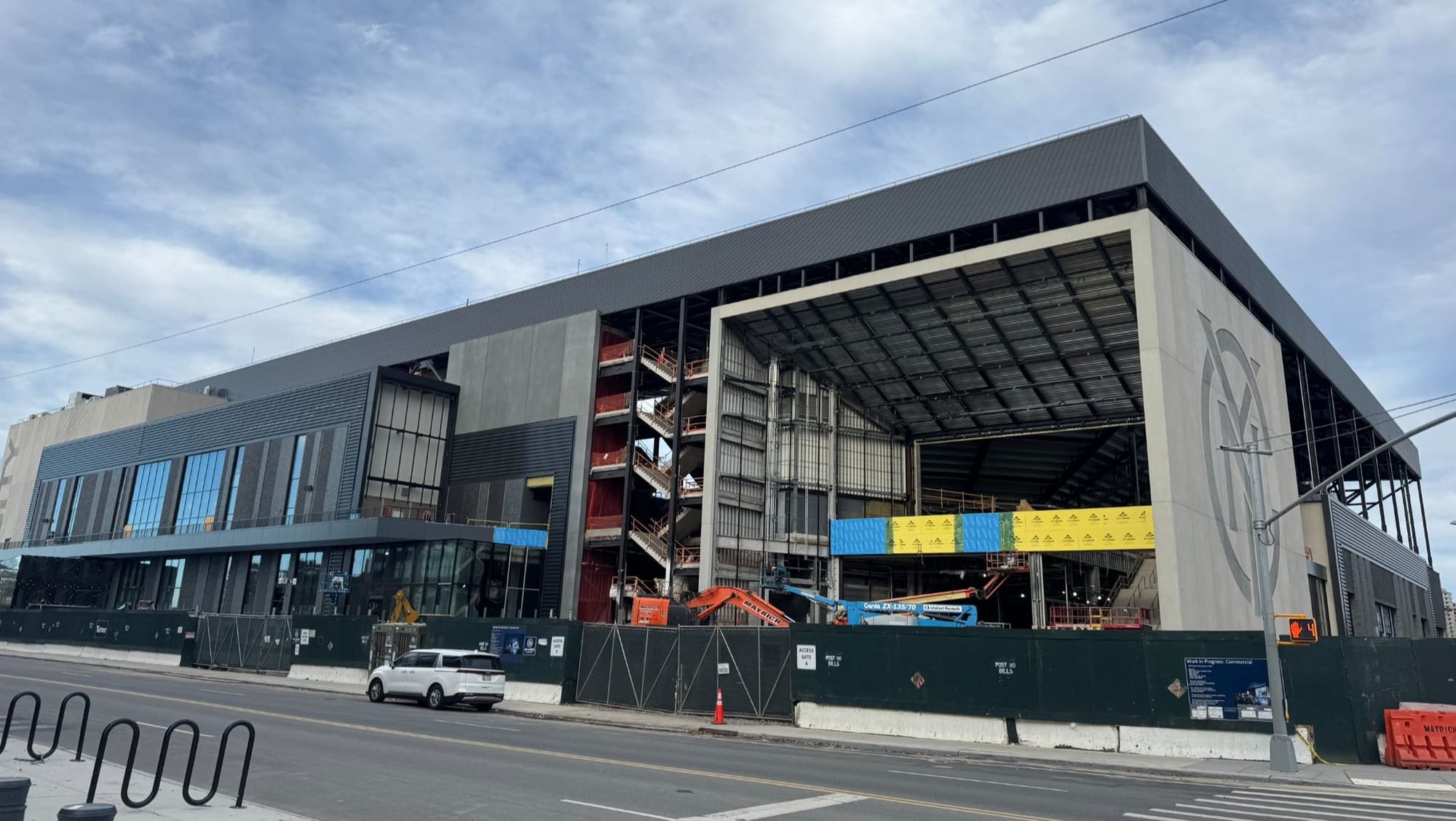
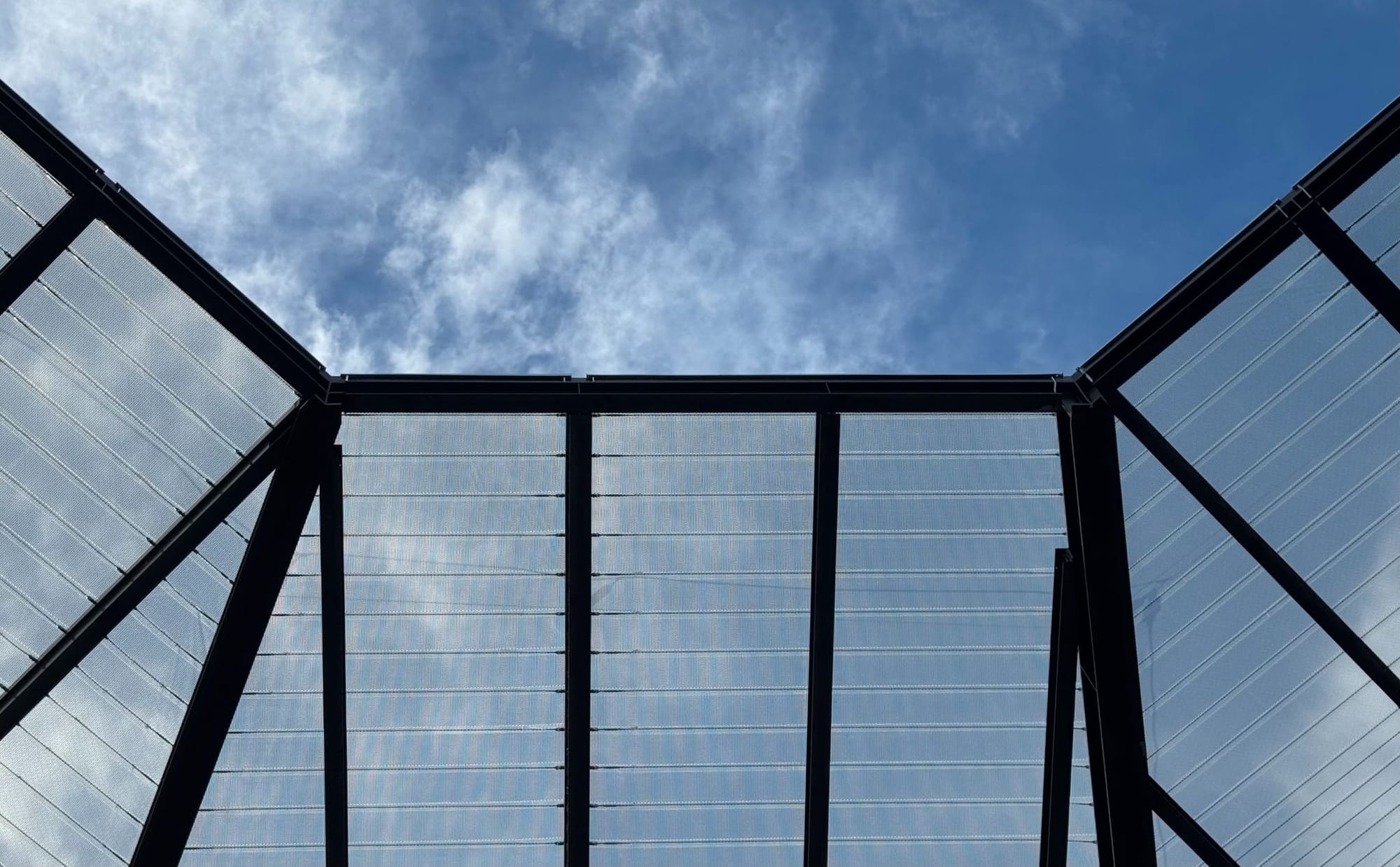
Perhaps the stadium’s most striking feature is its transparent roof, which wraps around the interior while covering all of the venue's seating. It lets light pass through, keeps the rain out, and crucially, keeps the sound in, enhancing the atmosphere and capturing the energy from the club's most passionate fans.
From the perspective of the stadium itself, fans couldn’t have asked for more. After 12 seasons of splitting time between Yankee Stadium, Citi Field, Sports Illustrated Stadium, and wherever else this team has been forced to play "home games," NYCFC didn't just build themselves any old home. It's built to be a world-class venue fit for the very best that MLS, NWSL, and soccer in America has to offer.
While the venue looks spectacular, the team it's being built for looks far from it these days.
For New York City FC, a scandal rocking the club's ownership, a catastrophic run of form, some frustrating roster decisions, and fan concerns over ticket pricing at the new stadium have cast a cloud over the organization just as Etihad Park's opening draws ever closer.
The troubles in Manchester
The recent news of the Premier League's guilty verdict against Manchester City FC sent shockwaves through the soccer world, with NYCFC's sister club found guilty of intentionally and artificially inflating club revenue, obfuscating certain expenditures, and failing to comply with the league's investigations into their financial practices. All told, Manchester City was found to have misstated their true finances by over £900 million between 2009 and 2018, a period in which they won the Premier League title three times.
No punishment has been determined yet for Manchester City, but speculation from the media and industry experts has included massive fines, points deductions, potential relegation, even a forced sale of the club to new ownership.
While not involved with or connected directly to the Premier League scandal, NYCFC may not be safe from downstream effects from whatever punishment gets handed down to Man City. NYCFC downplays any potential impact, with O'Sullivan confirming construction of the stadium would remain on track despite the scandal while telling the New York Post there was "no concern in New York" and that things were "business as usual."