
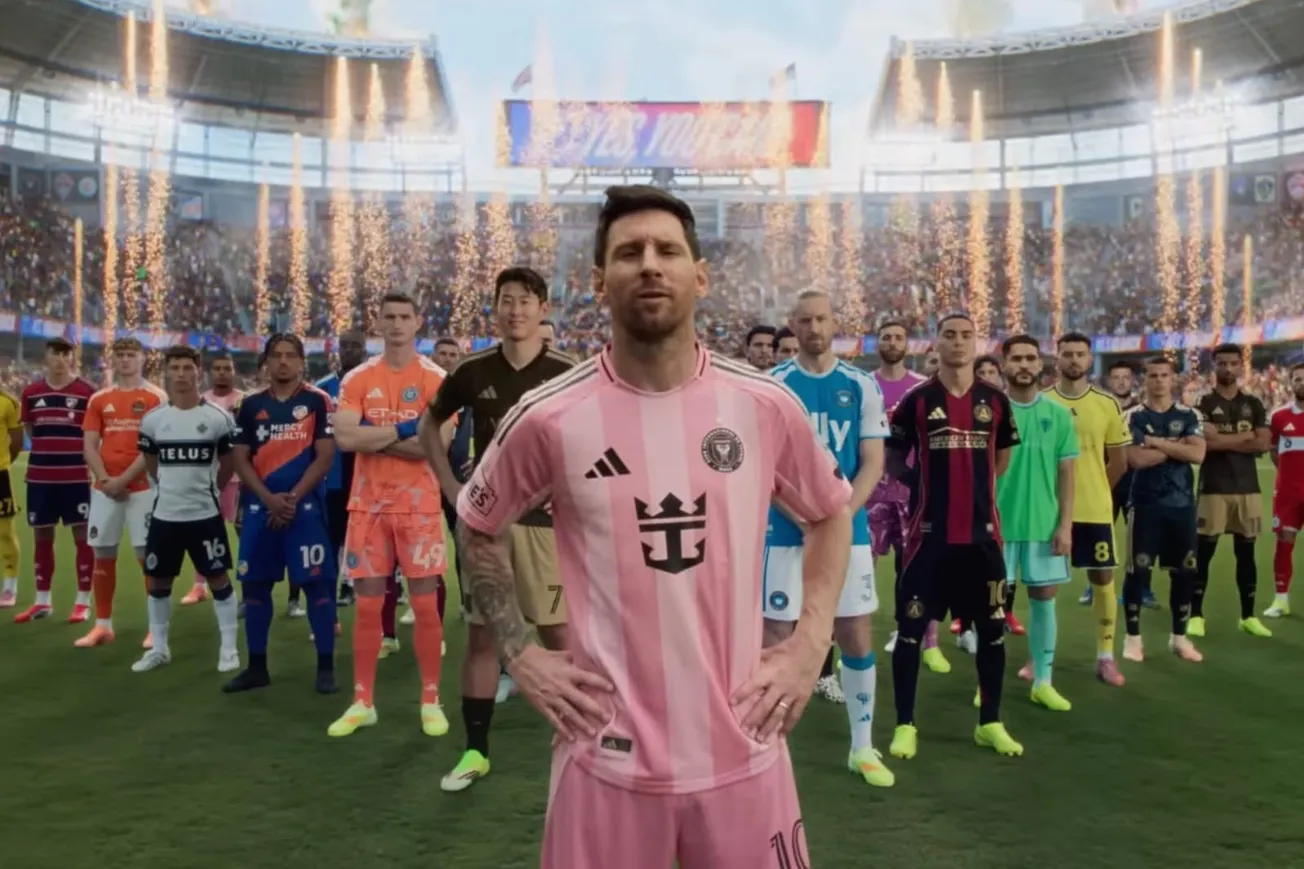
Major League Soccer returns from its World Cup break this week, and to mark the occasion, the league today launched what it calls the "largest coordinated marketing campaign in league history."
MLS partnered with the famous ad agency Ogilvy to create the new "Thanks World, We’ll Take It From Here" campaign that features a star-filled commercial (Matthew McConaughey! Kevin Durant!) that will first air during Fox's coverage of the FIFA World Cup semifinals and final.
The big MLS marketing push goes beyond just one highly-produced advertisement. The league has 22 teams, New York City FC and Red Bull New York included, doing "First Match On Us" promotions that offer free tickets to fans who have never gone to see Major League Soccer live and in the flesh.
There are also a slew of "coordinated activations, Soccer Celebrations, fan viewing events across all 30 clubs, local media partnerships, and club-led initiatives" being rolled out across MLS, all with the goal of capturing new fans who have had their soccer interest piqued by the many hours of World Cup action they enjoyed this summer.
As a standalone ad, the new MLS one seems perfectly fine and plays like an effective piece of marketing, but it's also just one ad. The overall marketing campaign is necessary and well-intentioned, but is it going to be a true difference-maker for MLS in its quest to attract new fans?
There are doubts aplenty about that. There's also the unavoidable feeling of an opportunity missed on MLS's part, and that missed opportunity has less to do with advertising and far more to do with timing.
MLS could have come out of the World Cup with a new-look league, with a calendar flipped to mirror that of Europe's top leagues, tweaks to the competition to include regional divisions that put more emphasis on teams beating their closest rivals, plus loosened roster and spending rules that simplify the processes of bringing the best soccer talent in the world to MLS.
Instead, none of those things will be in place when MLS picks up its post-World Cup schedule later this week on July 16.
The lack of a rollout of a "MLS, version 3.0" to coincide with the end of the World Cup is the biggest missed opportunity when it comes to capitalizing on the momentum provided by the tournament being hosted on these North American shores, never mind the number of ads for the league plastered everywhere this summer.
All those competition changes look set to occur in the not-too-distant future, with the calendar change and plans for a new regular-season format already confirmed to arrive in the summer of 2027, though with the regional division setup not fully confirmed, but at minimum hinted at strongly by a Nashville SC season-ticket email circulated late last week.
 John Baney
Likewise, it's assumed as a near-certainty that the league will change its roster rules and loosen the financial regulations team must follow while assembling their squads.
New York City FC's president and CEO, Brad Sims, said in a media roundtable conducted this March while discussing the calendar flip that, "There will be a new kind of player investment model that's being worked on now in conjunction with the new CBA. That's all going to happen." That goes along with other reporting out there indicating that the league's owners do plan to approve roster rule changes, eventually.
It's a huge missed opportunity that these changes aren't debuting this summer. MLS prefers to be methodical and take its time to roll out new things, but the failure to align the already-planned massive changes to the league with this particular moment, when all soccer eyes are trained on the United States, is more frustrating than any ad campaigns or any lack of advertising.
MLS seemed poised to make the calendar flip sooner than the summer of 2027, but the league's Board of Governors kicked the proverbial can down the road in April 2025 by announcing the calendar change wouldn't happen in 2026. While roster rules have been tweaked, the wait has gone on for bigger modifications to how MLS rosters get built, and how much money teams can spend on them.
A great way to draw new fans to MLS is to sign more great players to come join MLS teams. A benefit of the calendar flipping to fall-to-spring is supposed to be better aligning MLS with the top leagues in Europe and elsewhere, making transfer dealings easier, since everyone is on the same timeline for their preseason and midseason roster tinkering.
A new player investment model, plus a Europe-aligned calendar, would seem like just the things to turbocharge MLS recruitment and allow teams to keep bringing in bigger and better players. That still might be the case next summer, but the issue is that the maximum opportunity for attention and the capture of new fans exists this summer on the heels of World Cup Fever.
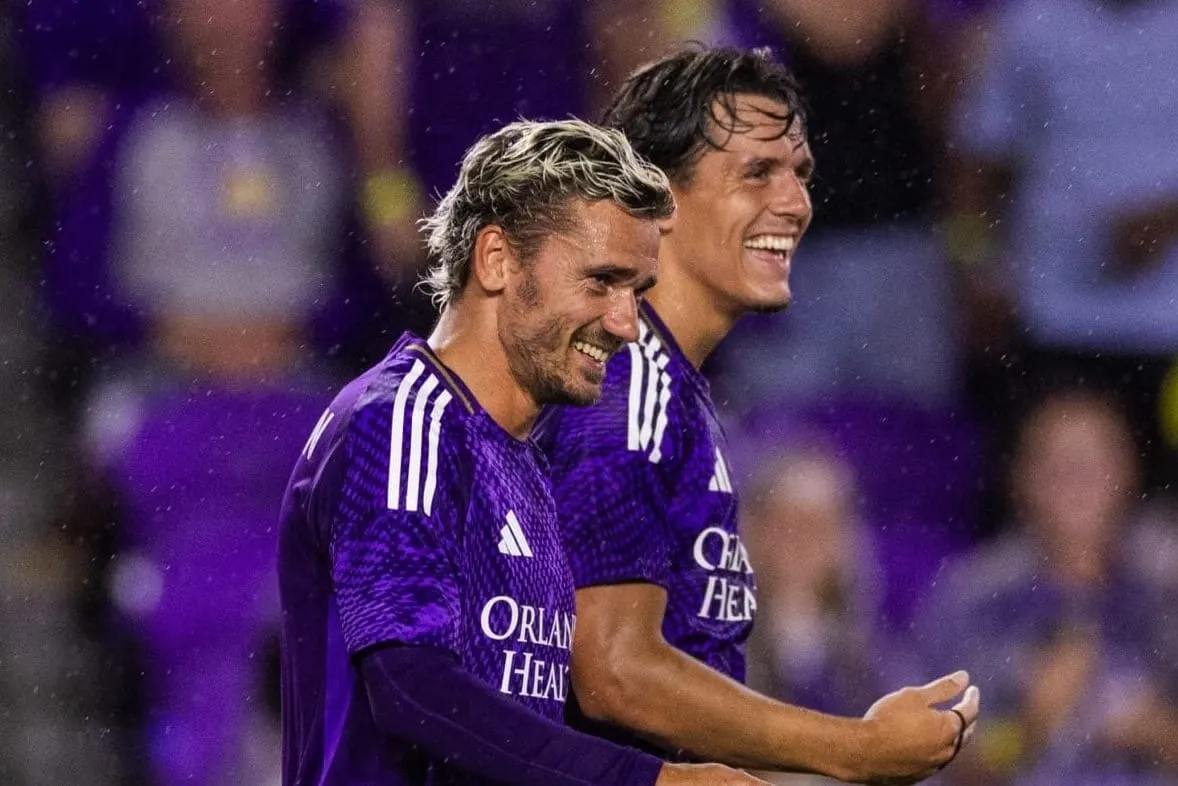
Whatever new eyeballs and new followers the league will gain from its ad blitz will help, but it won't be the same as watching more and more high-end talents join the league. This World Cup summer still has its share of big-name players coming to MLS, like Antoine Griezmann, Robert Lewandowski, and Casemiro, but those are signings that feel much more out of the "MLS 2.0" playbook, not the downstream effects of a truly revolutionized league operating in a new way.
The opportunity was right there in front of MLS and its owners. They could have moved faster and timed all their big changes to the league to pair neatly with the end of this World Cup. We already lived through something like the "sprint season" that's waiting for us early in 2027, with every team sprinting through 15 or so games prior to this World Cup break.
The reward on the other side of the World Cup rainbow could have been a whole new MLS, a league doing business differently and trying to properly push itself up into the higher echelon of global soccer competitions. Instead, we've got a new commercial with an assortment of MLS players asking if they can kick it, which might help, but which also seems insufficient when compared to how this World Cup summer could have played out.